MaxBBQ
ENDE
Chicken pieces cooking on skewersFrom the grill

Yogurt-Marinated Chicken Skewers

View recipe ↗

For your next cookout

From the Fire

Lemon and Herb Grilled Chicken

Lemon zest gives this chicken its citrus character without a long soak in acidic juice. Even thickness matters more than elaborate seasoning: a breast that is level from end to end can brown over direct heat and finish gently on the cooler side of the grill.

Fish & Vegetables

Eggplant with Lemon Tahini

Eggplant needs a creamy center, not merely a set of dark grill marks. Thick slices brown over medium heat before finishing in a gentler zone. Lemon tahini supplies a sharp, nutty contrast without hiding the vegetable beneath a heavy layer of dressing.

Fish & Vegetables

Corn with Lime Butter

Corn is briefly boiled before browning on the grill, separating the job of cooking the kernels from toasting their surface. Lime butter melts over the hot finished corn instead of dripping into the fire.

Know your fire

Grilling Skills

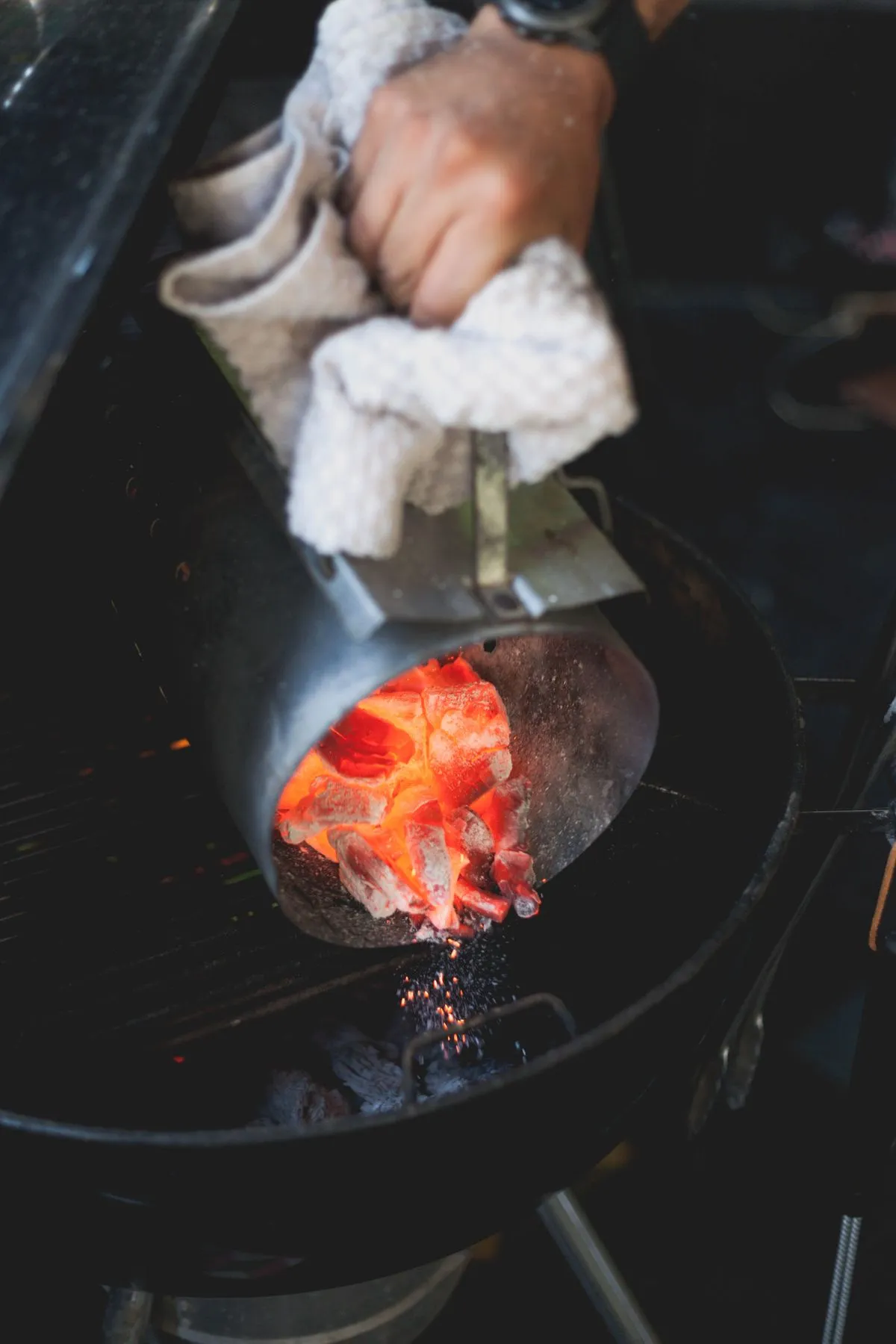
Building a Two-Zone Charcoal Fire

A charcoal grill becomes easier to manage when part of its cooking grate has no coals underneath. That space is not wasted capacity: it lets you separate browning from cooking through, and gives food somewhere to go when the hot side becomes too aggressive.
Grilling Skills

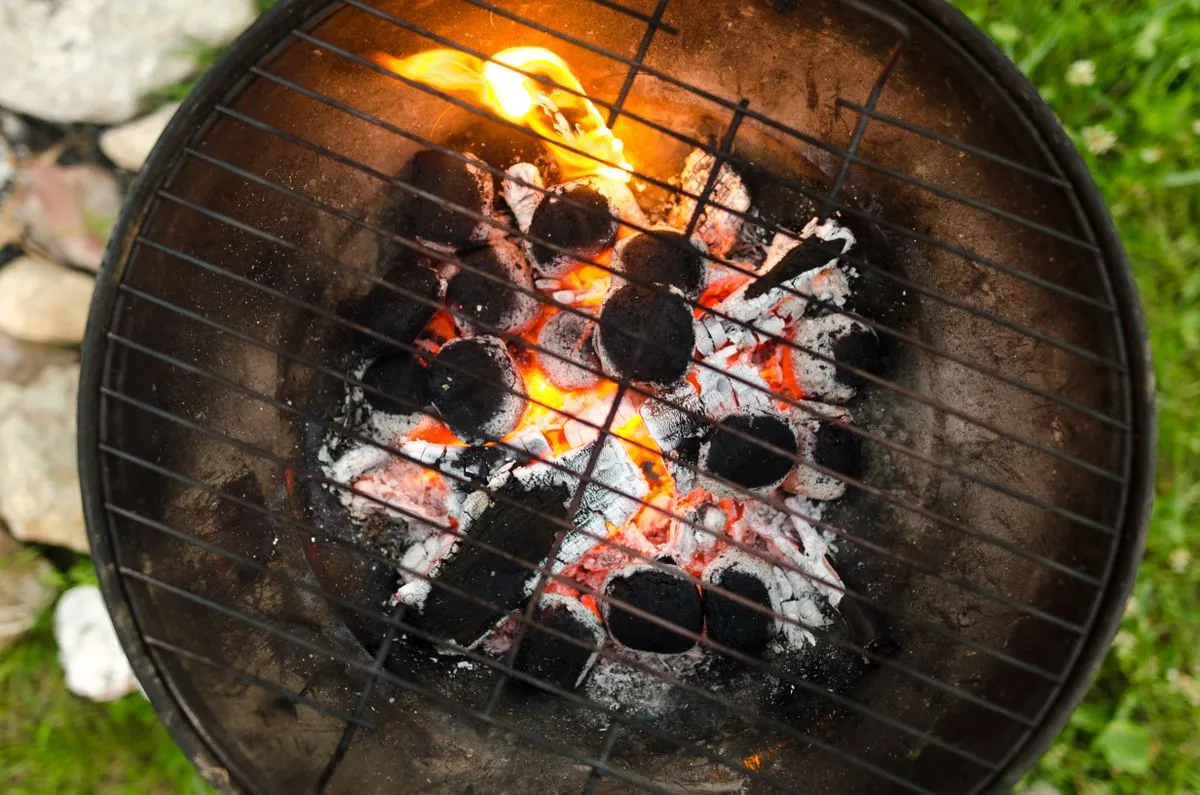
Direct and Indirect Heat Explained

Direct and indirect describe where food sits in relation to the heat source. They do not simply mean hot and cool. An indirect cooking chamber can be extremely hot; what changes is the way energy reaches the food and how quickly its exposed surface browns.
Grilling Skills

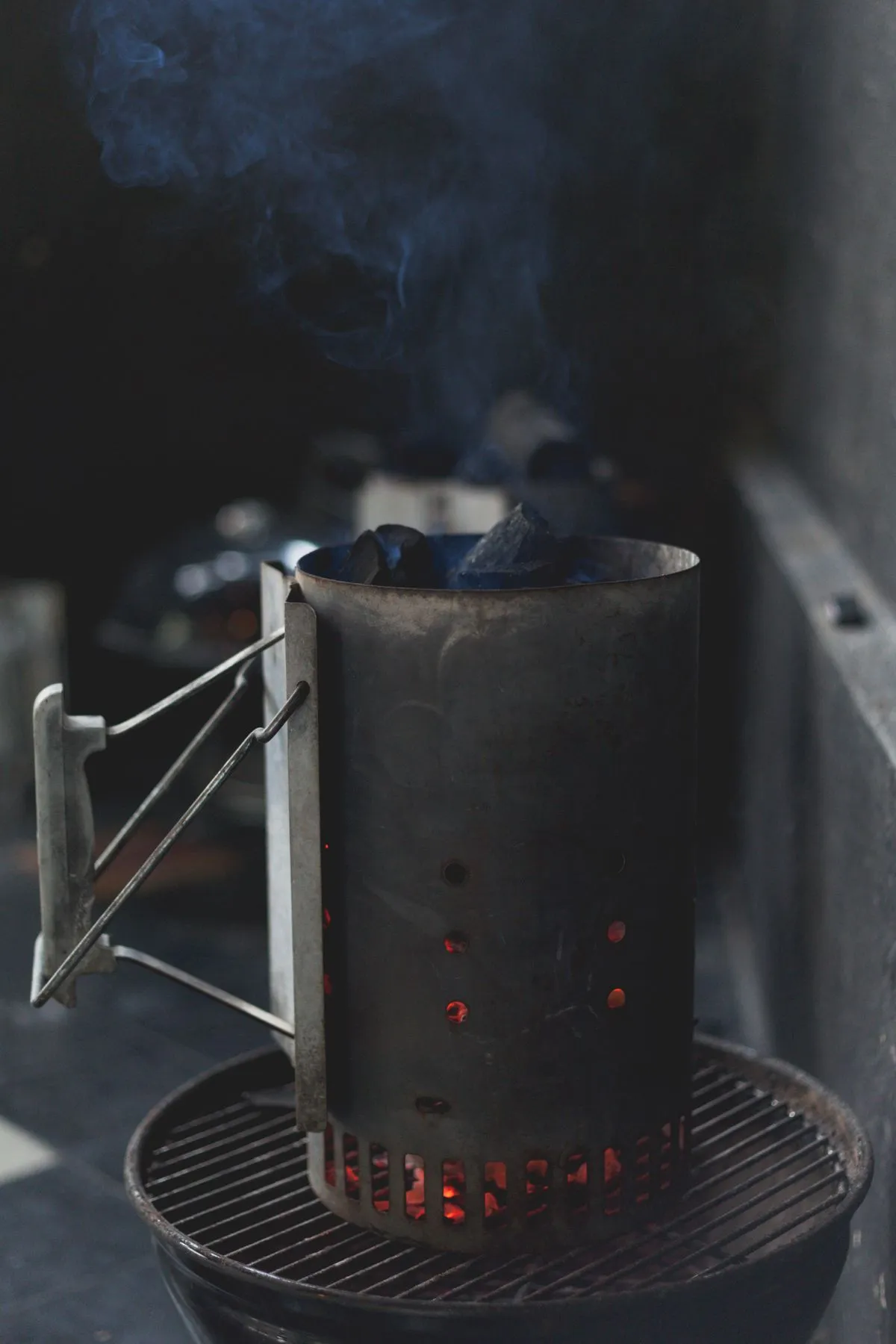
Using a Charcoal Chimney Safely

A chimney starter concentrates charcoal above a small ignition source and encourages airflow upward through the fuel. It avoids the need for liquid accelerants, but the chimney itself becomes extremely hot. Plan where it will stand both before and after lighting, not just where the coals will end up.

Explore grilling skills ↗

A little preparation goes a long way

From the Fire

Lemon and Herb Grilled Chicken

Lemon zest gives this chicken its citrus character without a long soak in acidic juice. Even thickness matters more than elaborate seasoning: a breast that is level from end to end can brown over direct heat and finish gently on the cooler side of the grill.

From the Fire

Paprika Chicken Thighs

These thighs cook gently before a short skin-side finish. Paprika supplies a warm red crust, but a heavy coating can scorch and taste bitter. Mixing a modest amount with oil distributes the spices without creating a thick paste.

From the Fire

Yogurt-Marinated Chicken Skewers

A light coating of yogurt clings to these chicken skewers without forming heavy patches that fall onto the coals. Similar-sized pieces matter more than colorful alternating vegetables, which often need a different cooking time from the chicken.

Fish & Vegetables

Explore this topic ↗
Fish & Vegetables

Lemon and Dill Grilled Salmon

Skin-on salmon cooks mainly on its skin side, which protects the soft flesh and helps it lift from the grate. Lemon and dill are added afterward to keep their fresher flavor rather than scorching against the fire.

Fish & Vegetables

Whole Trout with Parsley

Whole trout keeps its shape on the grill thanks to skin and bones. Parsley and a few lemon slices season the cavity without tightly stuffing it. A fish basket helps with turning but does not replace checking the internal temperature.

Fish & Vegetables

Sea Bass with Fennel

Fennel needs a head start before whole sea bass reaches the grill. Thin wedges soften in a pan while the fish keeps its shape. Reserve some of the feathery fronds for a fresh finish at the table.

Grilling Skills

Explore this topic ↗
Grilling Skills

Building a Two-Zone Charcoal Fire

A charcoal grill becomes easier to manage when part of its cooking grate has no coals underneath. That space is not wasted capacity: it lets you separate browning from cooking through, and gives food somewhere to go when the hot side becomes too aggressive.

Grilling Skills

Direct and Indirect Heat Explained

Direct and indirect describe where food sits in relation to the heat source. They do not simply mean hot and cool. An indirect cooking chamber can be extremely hot; what changes is the way energy reaches the food and how quickly its exposed surface browns.

Grilling Skills

Using a Charcoal Chimney Safely

A chimney starter concentrates charcoal above a small ignition source and encourages airflow upward through the fuel. It avoids the need for liquid accelerants, but the chimney itself becomes extremely hot. Plan where it will stand both before and after lighting, not just where the coals will end up.

Grills & Gear

Charcoal or Gas for Your Routine

The better fuel choice comes from your routine, not an overall winner between charcoal and gas. Consider how often you cook outdoors, how much time you allow and where the equipment and fuel can be kept safely. Then compare individual features rather than beginning with the longest specification list.

Grills & Gear

Choosing a Kettle Grill Size

Grate diameter is only the beginning of choosing a kettle. Indirect cooking, safe turning and an escape zone deliberately leave part of the surface unoccupied. Do not size the grill solely by how many hot dogs could theoretically be packed edge to edge onto a cold grate.

Grills & Gear

How Many Gas Burners Do You Need

More burners mainly offer additional ways to divide the cooking area. They do not guarantee even heat or better steaks. What matters is which zones can be controlled separately and how much usable space remains when part of the grill is switched off for indirect cooking.

Smoke & Time

Choosing Smoking Wood

Wood species is only one part of smoke flavor. Quantity, combustion and exposure determine whether smoke behaves like a seasoning or overwhelms the food underneath it.

Smoke & Time

Clean Smoke Without Bitter Flavors

A heavy cloud is not a quality signal. A controlled fire and measured wood additions generally give a clearer flavor than repeatedly feeding wood into a cooker with its airflow nearly shut.

Smoke & Time

Smoking on a Kettle Grill

A suitable kettle grill can combine indirect heat with smoke. The essentials are room without live coals beneath the food and a temperature reading close to where the food actually cooks.

Sauces & Sides

Homemade Tomato Barbecue Sauce

This tomato sauce is simmered from tomatoes rather than assembled from ketchup alone. Vinegar, sugar and smoked paprika remain adjustable. Use the finished sauce at the table or as a thin glaze near the end of cooking.

Sauces & Sides

Mustard Barbecue Sauce

Mustard is the main ingredient here, not a background seasoning. The sauce stays tangy and works with pork, sausages or grilled cabbage. A little honey rounds it out without turning it into a heavy sugary glaze.

Sauces & Sides

Tangy Vinegar Barbecue Sauce

This thin vinegar sauce is for drizzling rather than coating meat in a thick layer. It adds acidity to rich barbecue and spreads readily through pulled meat or over warm cabbage.

Care & Safety

Cleaning a Grill After Cooking

After-cook cleaning works best as two separate jobs: removing food residue from suitable warm surfaces, then dealing with grease and components once the cooker is safely cool.

Care & Safety

Deep-Cleaning a Gas Grill

Deep cleaning follows grease from the cooking grate down to the collection tray. It should not turn into an improvised repair of gas valves, regulators or fuel connections.

Care & Safety

Disposing of Charcoal Ash Safely

A pale layer of ash can hide a live ember. Safe disposal depends on complete extinguishing and cooling, not on how the surface looks or whether dinner ended hours ago.