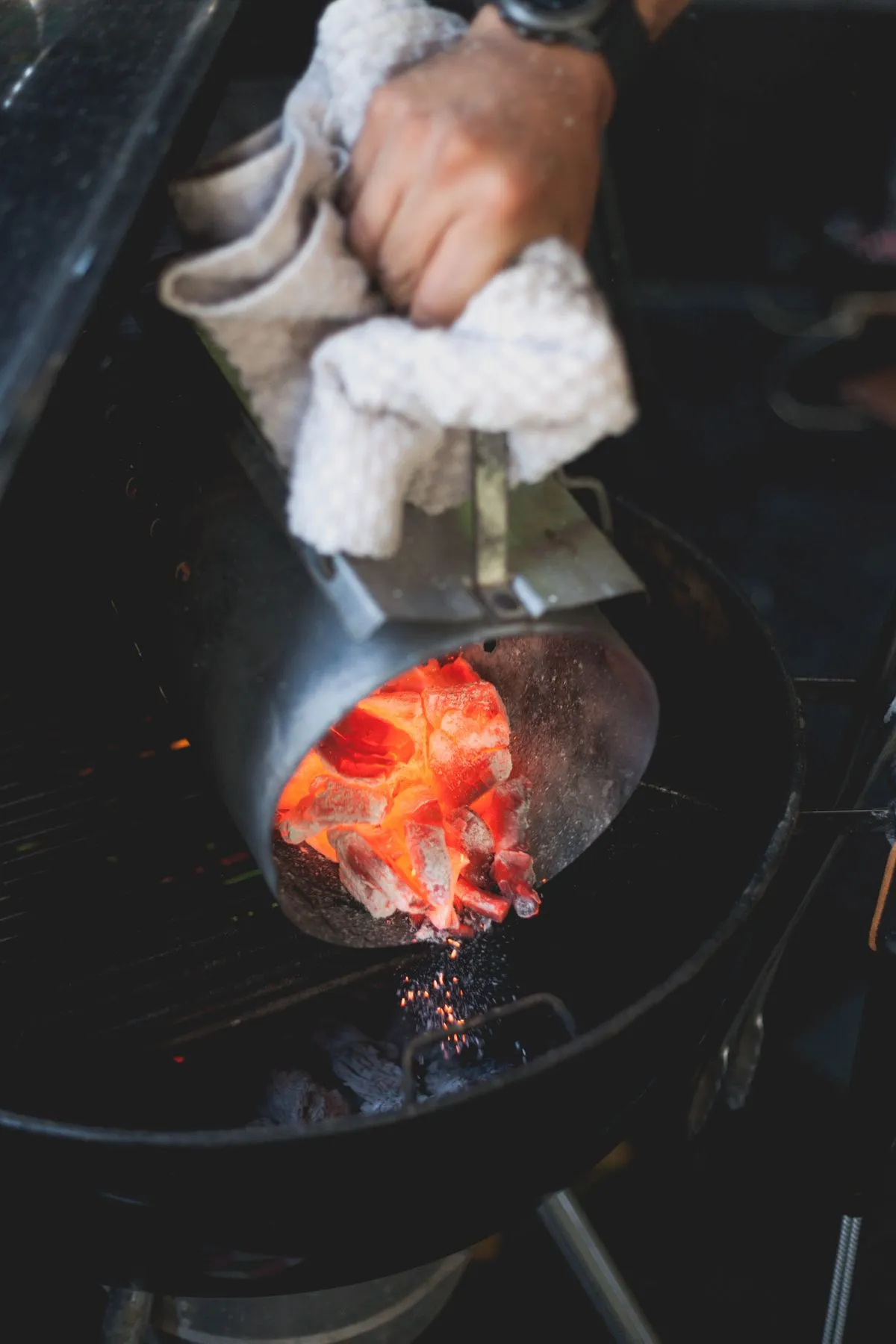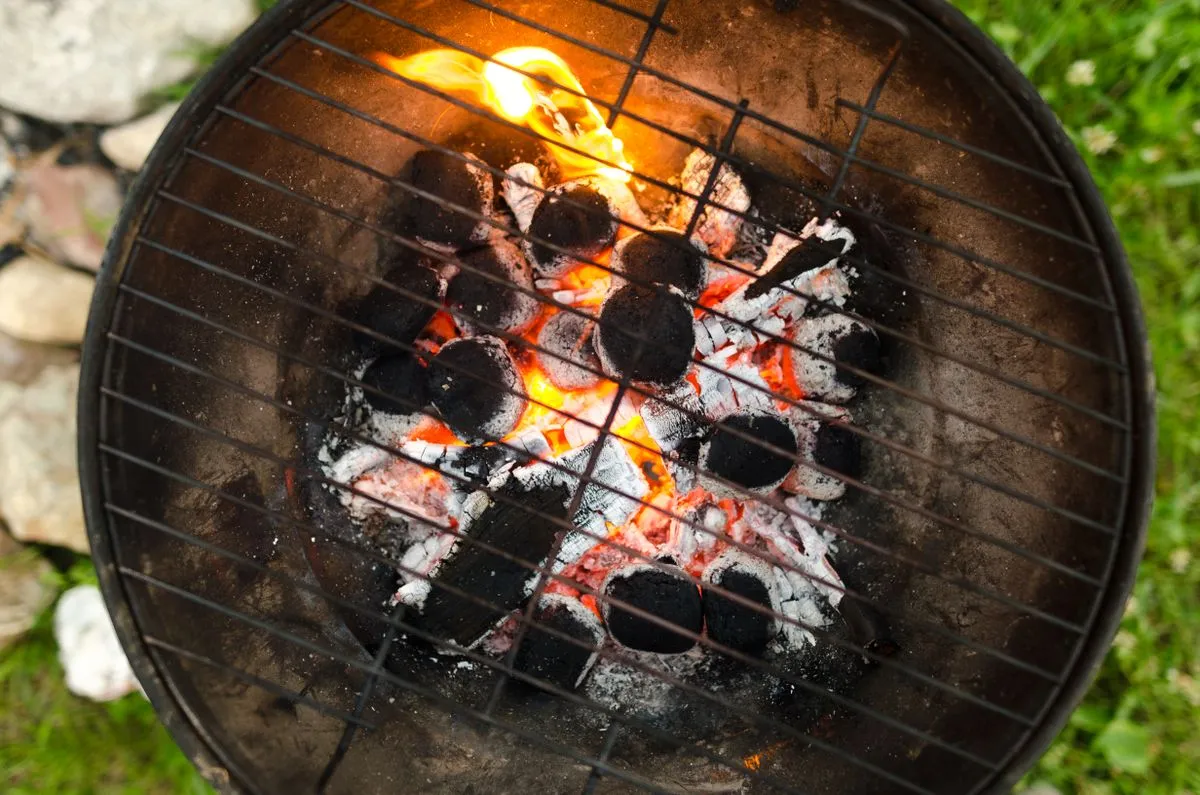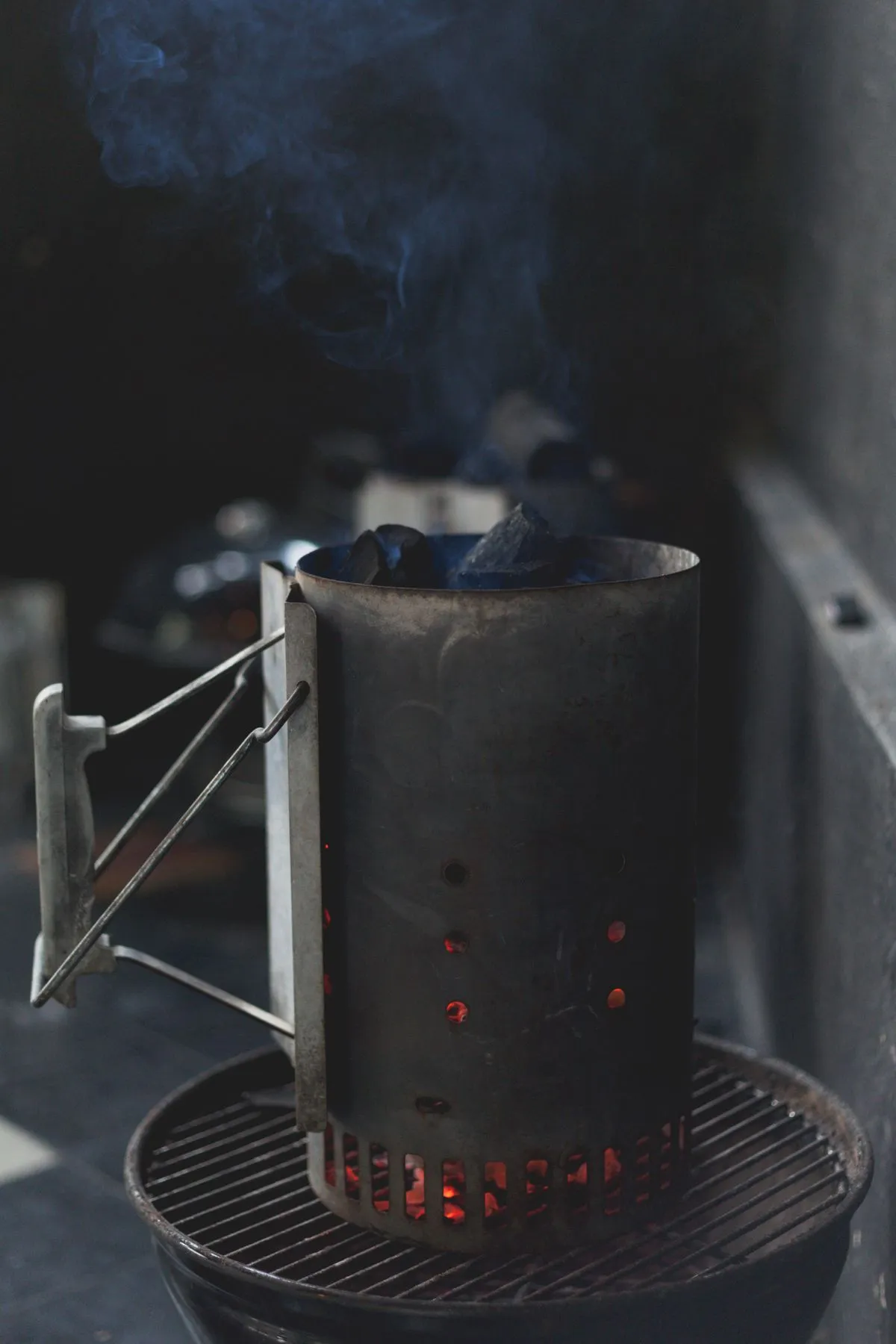
Do most of the cooking first
Begin with a base seasoning appropriate to the food. When cooking is well advanced, assess the surface and check internal temperature where needed. Avoid applying a sweet sauce at the beginning of a long direct-heat stage. Otherwise the burning coating dictates your decisions while the inside still needs considerable cooking.
A suitable indirect zone gives better control while the coating sets. The chamber should remain warm enough to dry the surface; you are not trying to cool the food completely. The goal is manageable heat exposure. Sugar content, water content and coating thickness all affect timing, so one fixed number of minutes cannot accurately describe every sauce.
Build a film rather than a pool
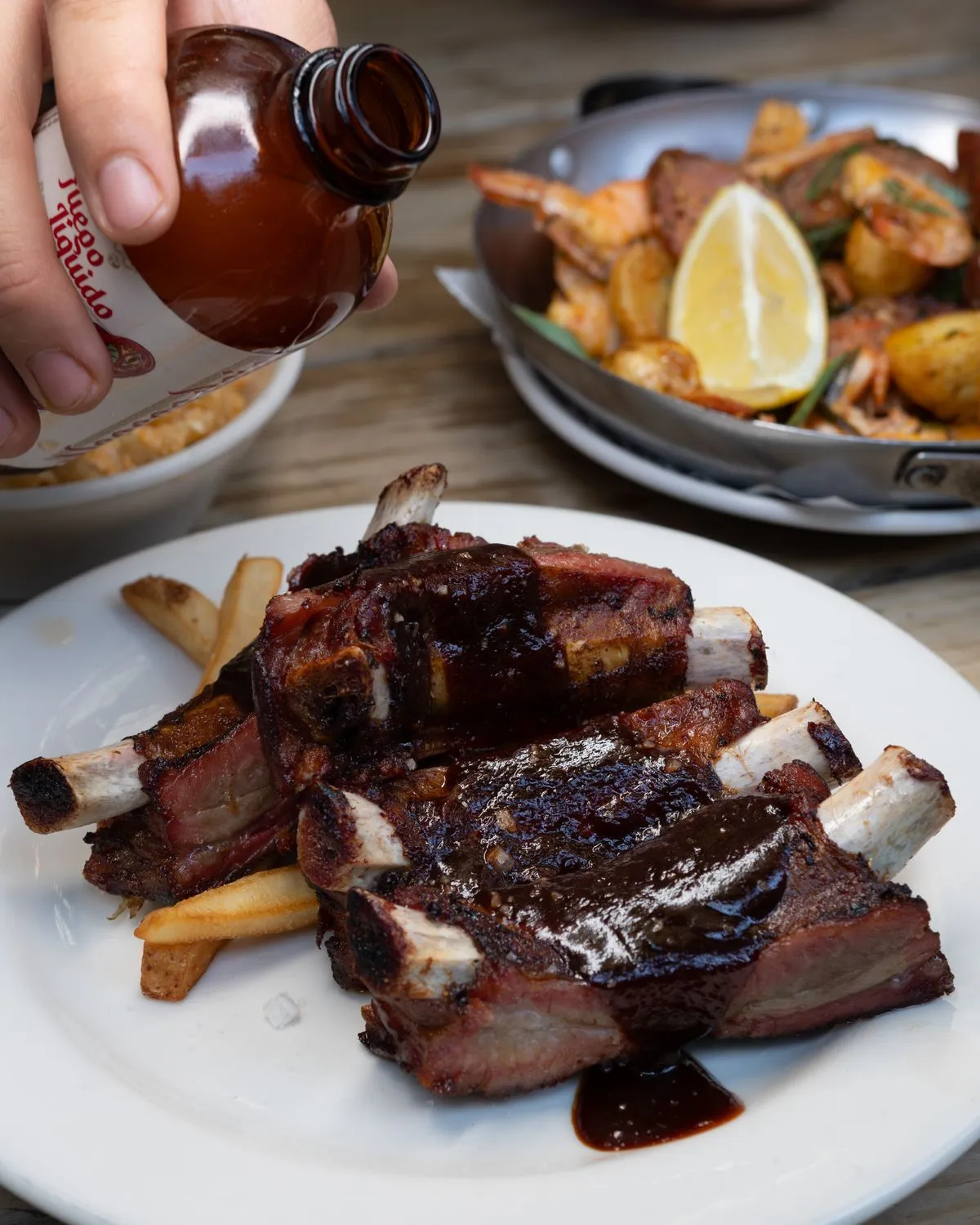
Transfer a small amount of sauce to a separate bowl and brush it on sparingly with a clean, suitable brush. A thick layer drips, gathers in folds and sets unevenly. Several thin applications can be easier to control, provided you check between them and do not continue cooking an already finished portion simply to add more layers.
Keep an untouched serving portion separate for the table. A brush used on food that is not yet fully cooked should not return to the serving container. Adjust an overly thick sauce separately with a little suitable liquid before using it. Trying to dilute it directly on the meat mainly sends excess liquid into the cooker.
Look for adhesion, not blackening
Watch for a coating that adheres and becomes slightly tacky. Dark patches on projecting edges signal that the heat exposure needs reducing. Do not hold food in flare-ups to color the sauce faster. Burned glaze often tastes bitter, and covering it with another sweet layer does not reliably repair the flavor underneath.
When the ingredient is already cooked, a thin warm sauce applied after grilling may be enough. Not every sauce must bake onto the grate. Decide whether you want a dry spice crust, a sticky glaze or a fresh finishing sauce; these are different outcomes. Separating those goals makes sweet seasoning easier to use without sacrificing safe doneness or the texture you have already achieved.
Use grilling equipment only in its intended location and follow the manufacturer’s instructions. Timing is not a substitute for checking doneness.