 Care & Safety
Cleaning a Grill After Cooking
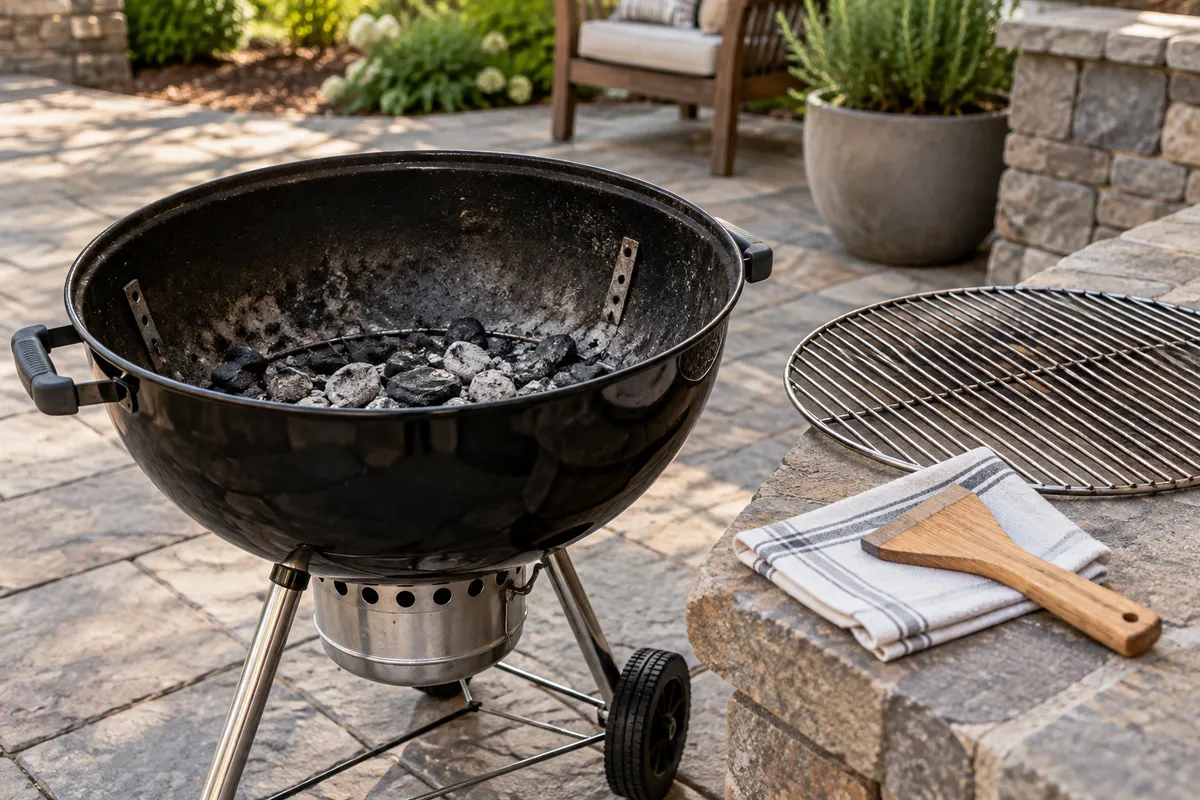
After-cook cleaning works best as two separate jobs: removing food residue from suitable warm surfaces, then dealing with grease and components once the cooker is safely cool.
Read the article ↗Clean, store and prepare your cooking space for its next outing.
Care & SafetyAfter-cook cleaning works best as two separate jobs: removing food residue from suitable warm surfaces, then dealing with grease and components once the cooker is safely cool.
Read the article ↗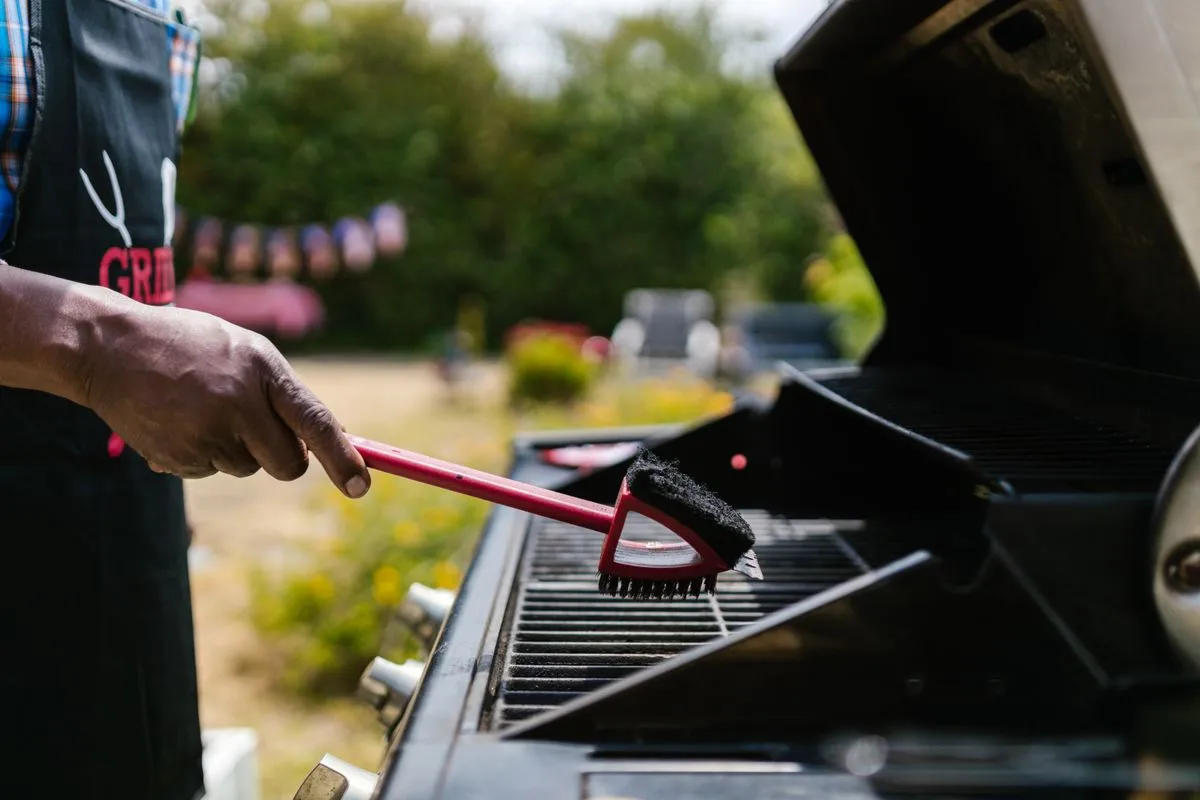 Care & Safety
Deep cleaning follows grease from the cooking grate down to the collection tray. It should not turn into an improvised repair of gas valves, regulators or fuel connections.
Read the article ↗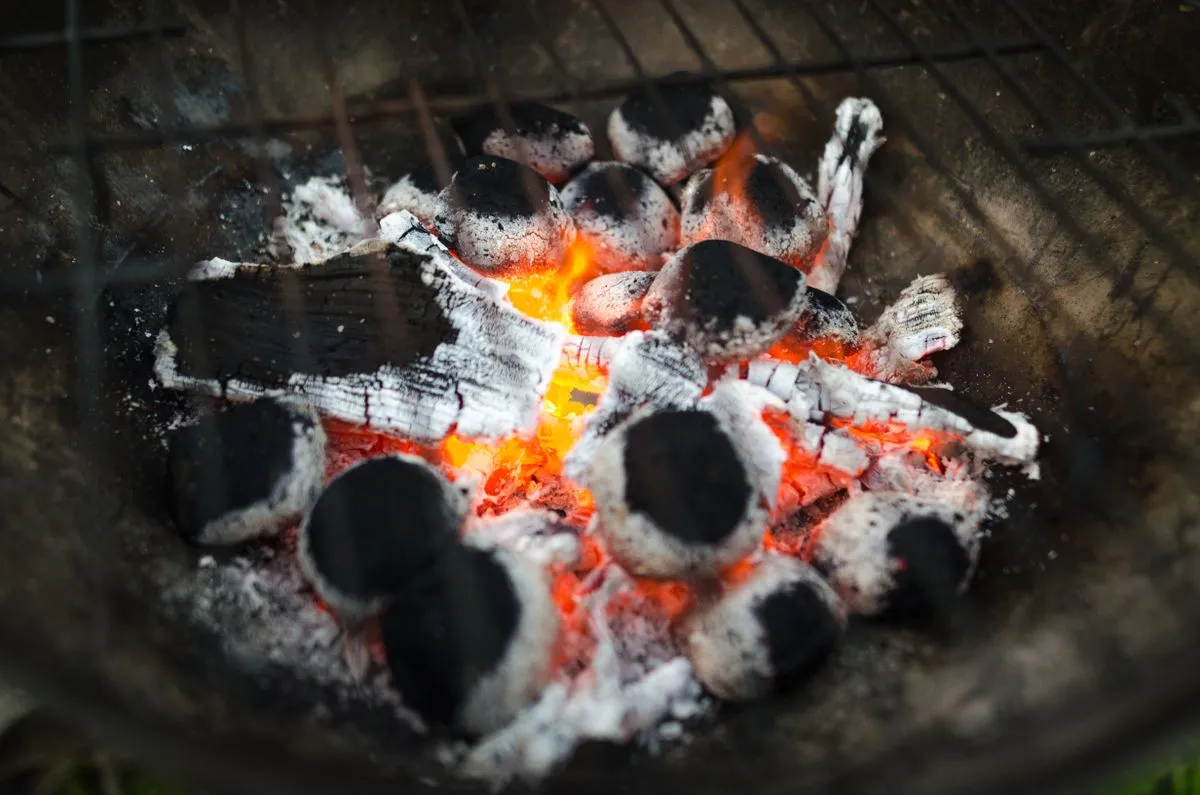 Care & Safety
A pale layer of ash can hide a live ember. Safe disposal depends on complete extinguishing and cooling, not on how the surface looks or whether dinner ended hours ago.
Read the article ↗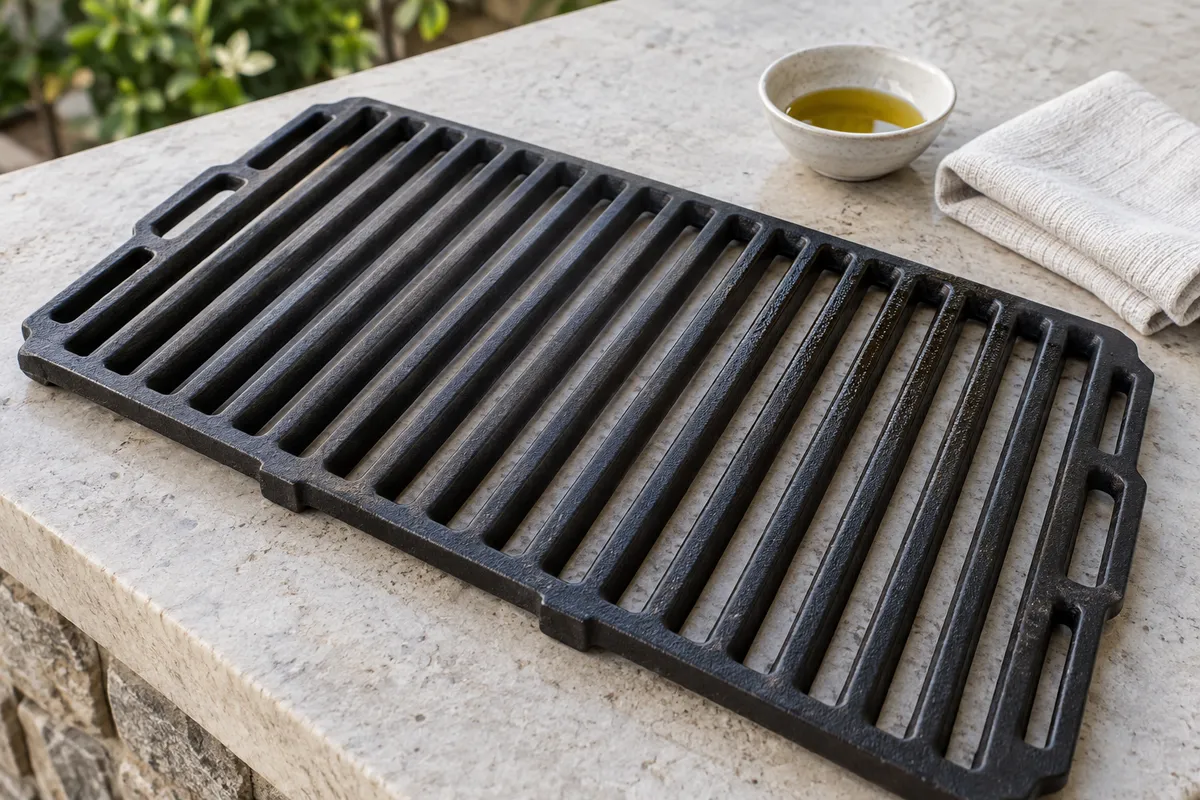 Care & Safety
First establish whether your cast iron is bare or enamel-coated. That distinction determines whether seasoning is appropriate or whether a protective coating needs gentler treatment.
Read the article ↗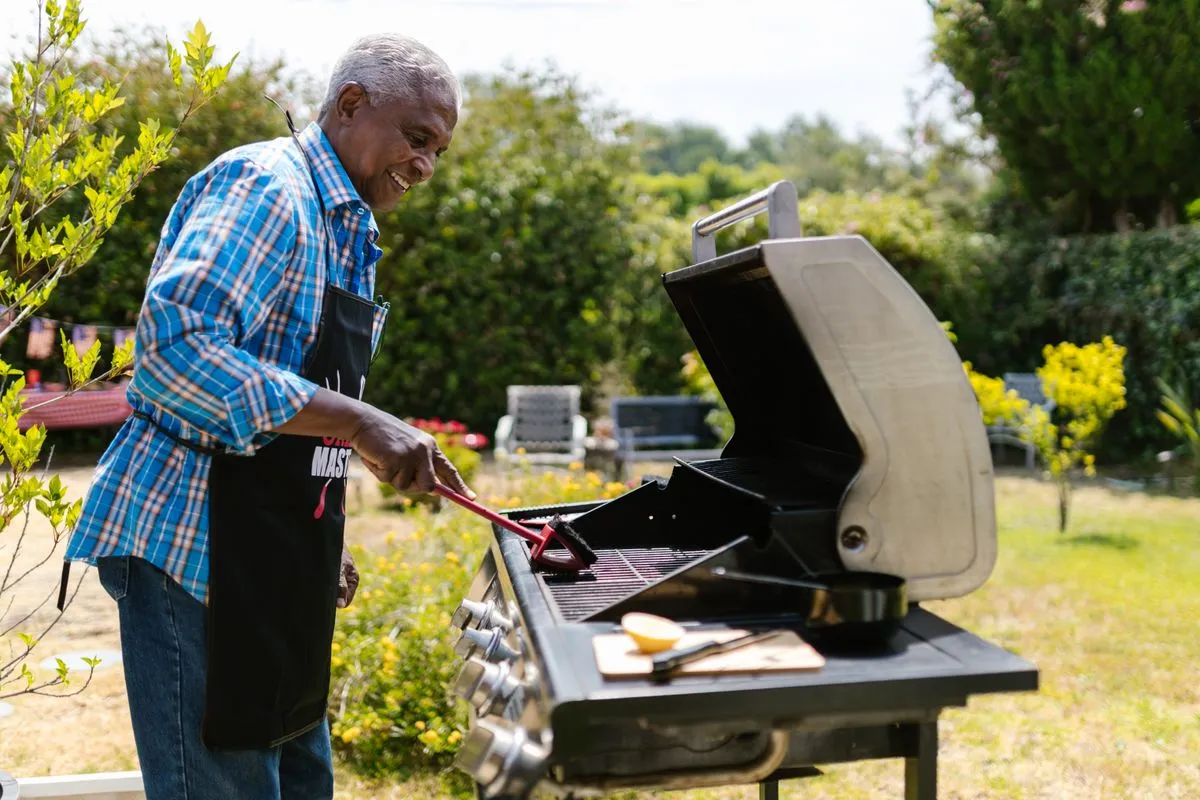 Care & Safety
Stainless steel can show marks without being structurally damaged. Start with a compatible cleaner and a soft tool, then distinguish surface staining from damage that requires attention.
Read the article ↗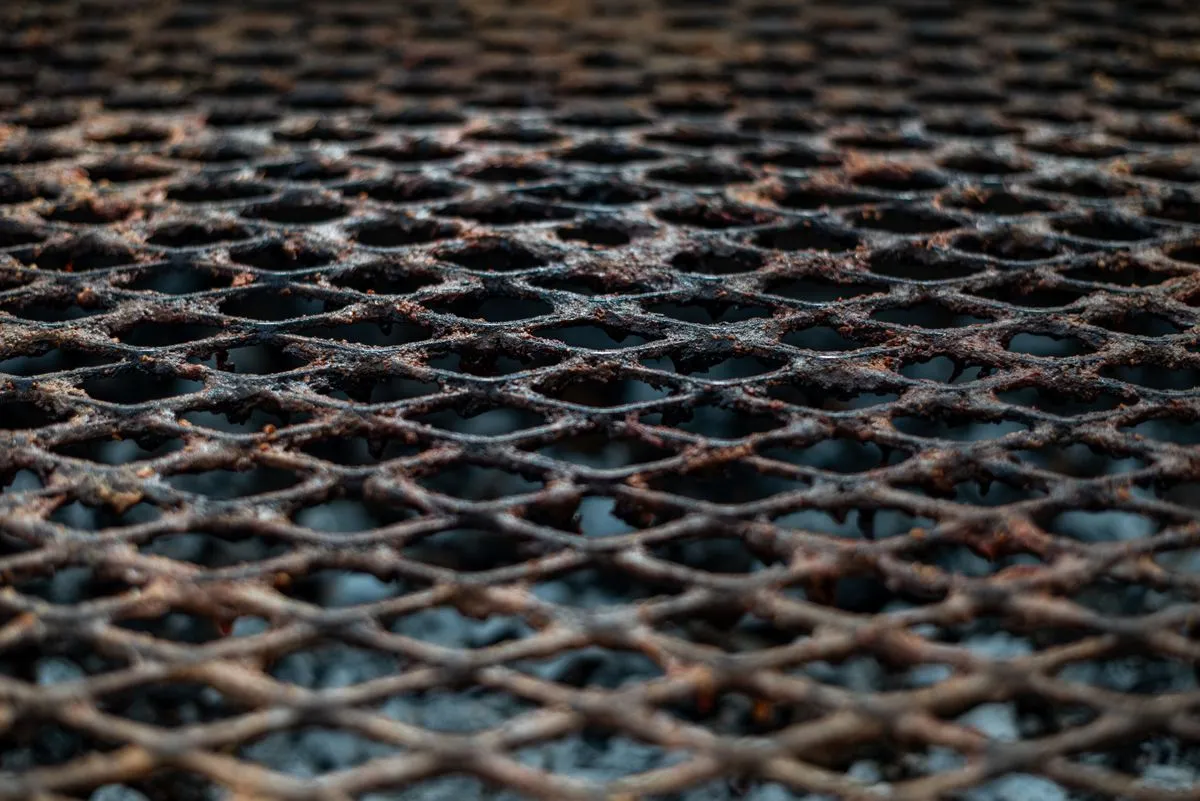 Care & Safety
The location and depth of rust matter more than the size of the orange patch. A mark on bare cast iron is a different problem from corrosion on a fuel connection or a load-bearing leg.
Read the article ↗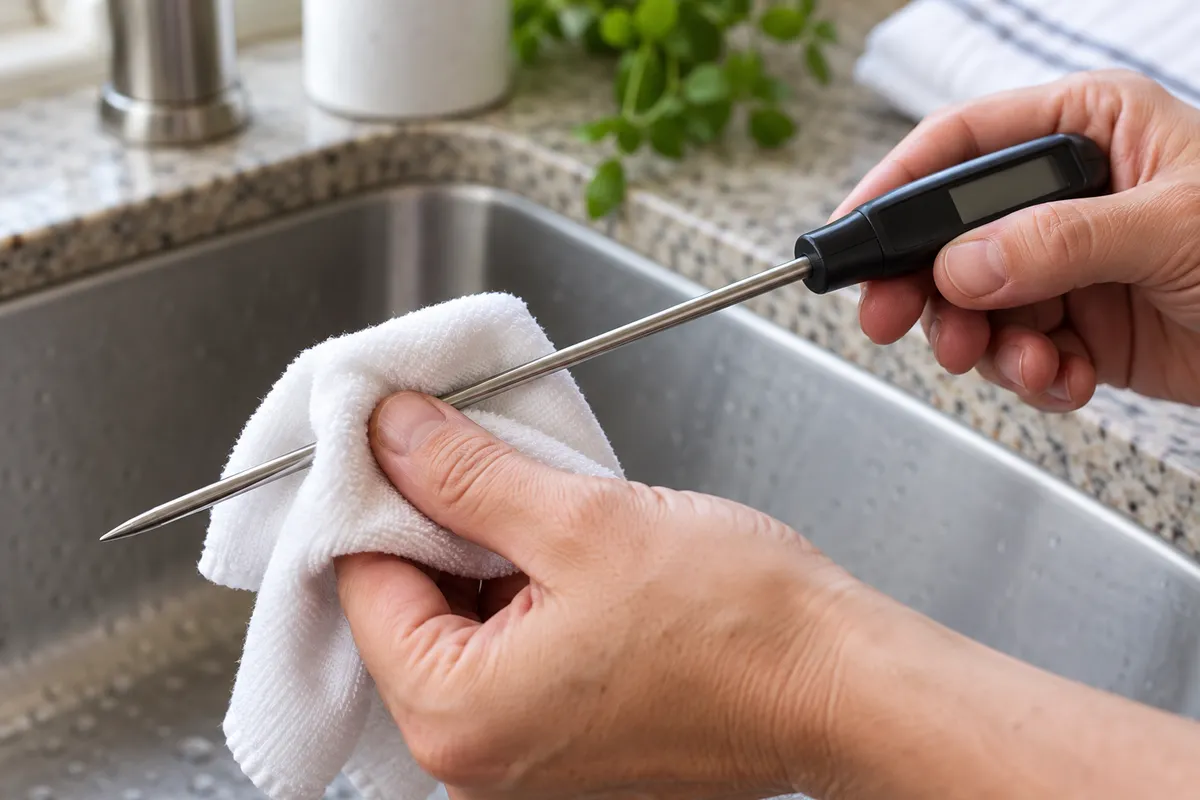 Care & Safety
A probe can move from raw meat to a partly cooked portion and then into finished food. Give its tip a deliberate cleaning routine instead of treating a quick wipe as sufficient.
Read the article ↗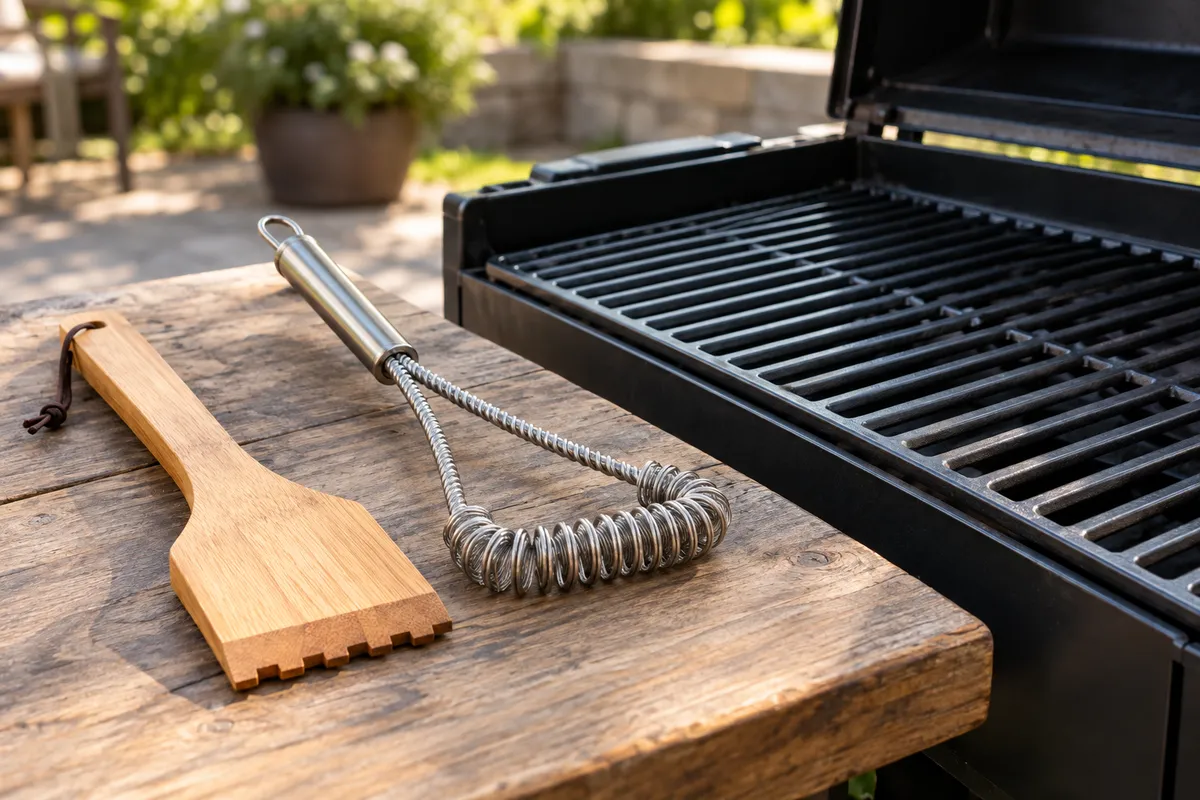 Care & Safety
A wire brush is not the only way to loosen residue from a grate. The important questions are whether the tool suits the surface and whether anything loose remains before food goes on.
Read the article ↗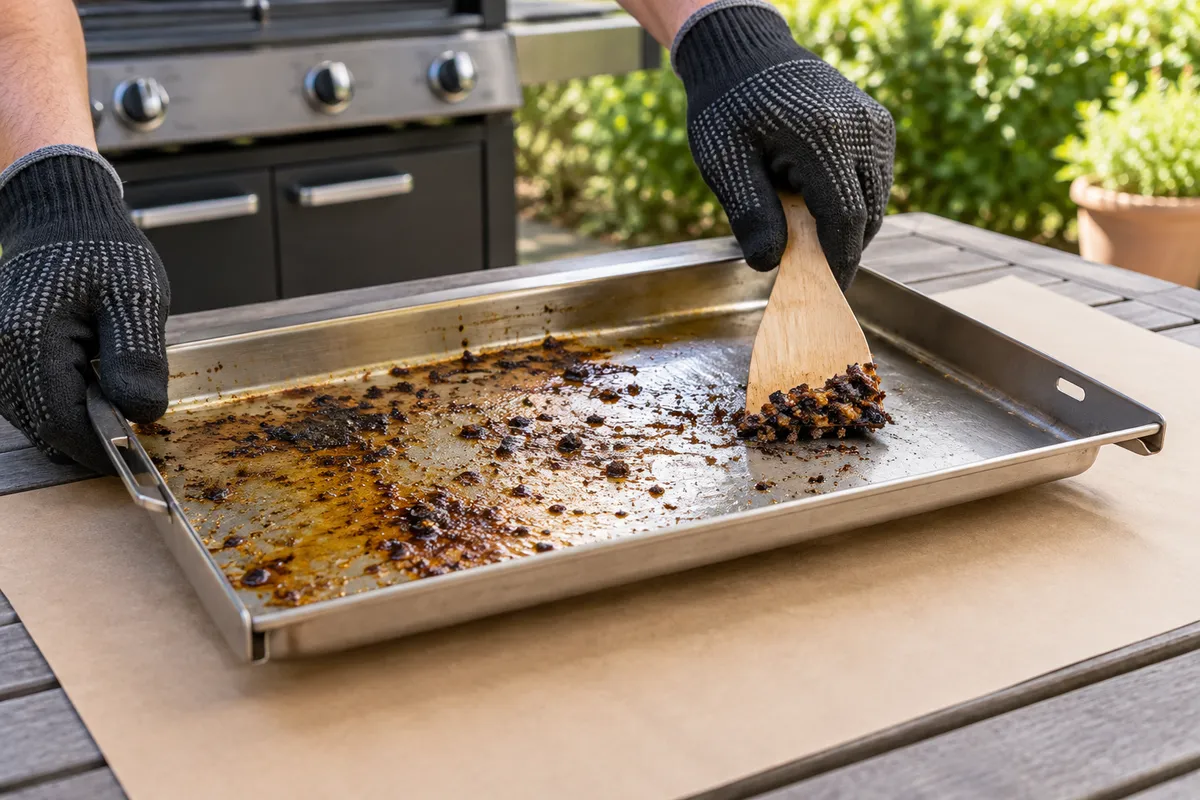 Care & Safety
Grease collection is part of the grill's design, not just a convenient place for drippings to land. Keep the route clear and the tray correctly fitted before each cooking session.
Read the article ↗ Care & Safety
A cover is only one part of seasonal storage. The cooker needs to be clean and dry, while its fuel and electrical components need storage conditions appropriate to their own risks.
Read the article ↗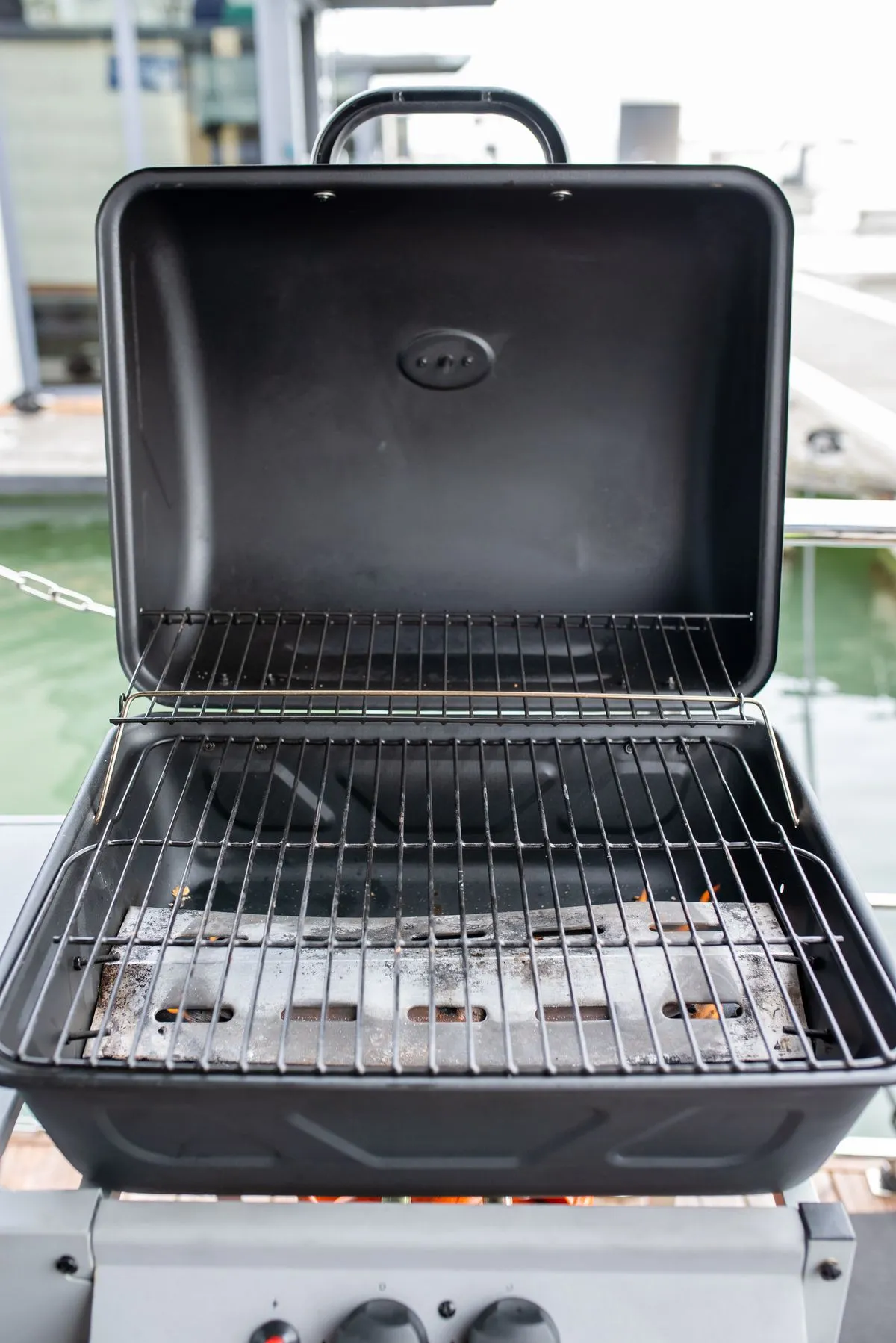 Care & Safety
After a long break, check the location, components and fuel system before trying to light the grill. Finding a problem before shopping is easier than discovering it with raw food waiting outside.
Read the article ↗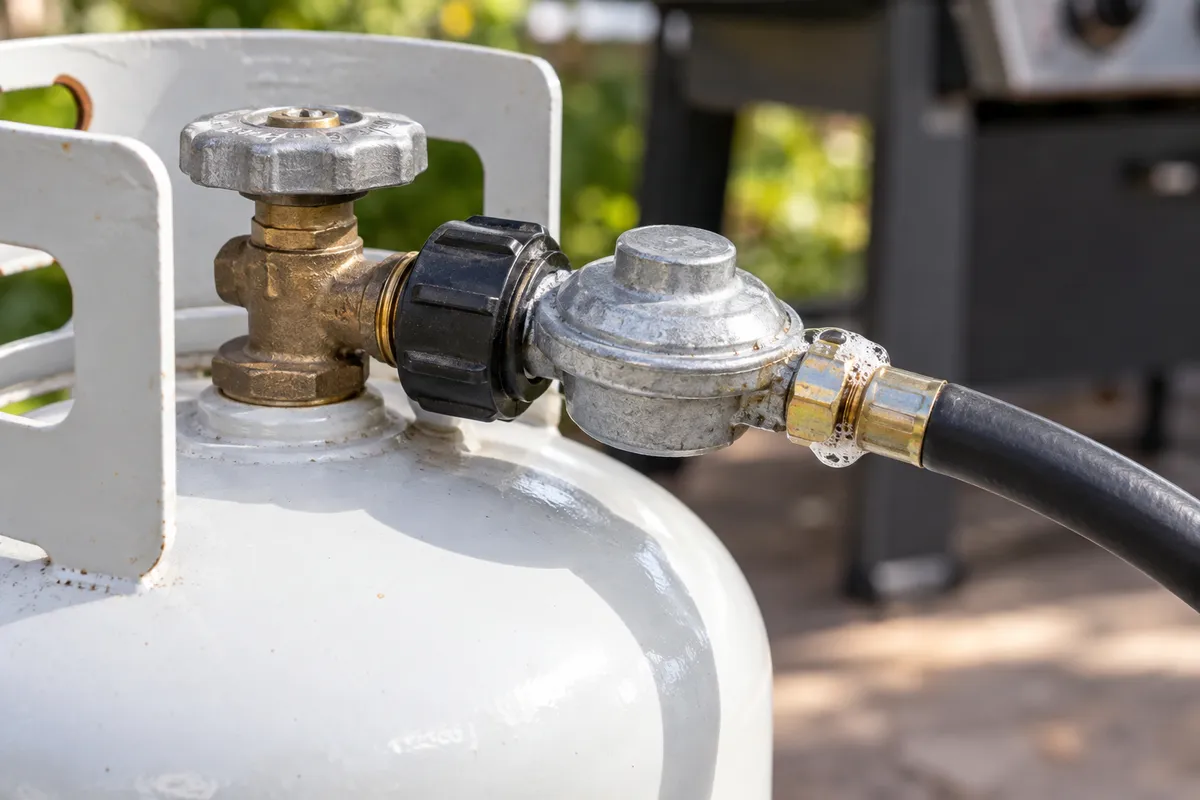 Care & Safety
Leak checking is a defined procedure in the equipment instructions, not an opportunity to experiment with fittings. Gas odor or a suspected faulty connection means cooking must stop.
Read the article ↗ Care & Safety
Raw ingredients and finished food move quickly around a grill. Separate boards and a clear direction of work help prevent cooked food from picking up raw meat juices on its way to the table.
Read the article ↗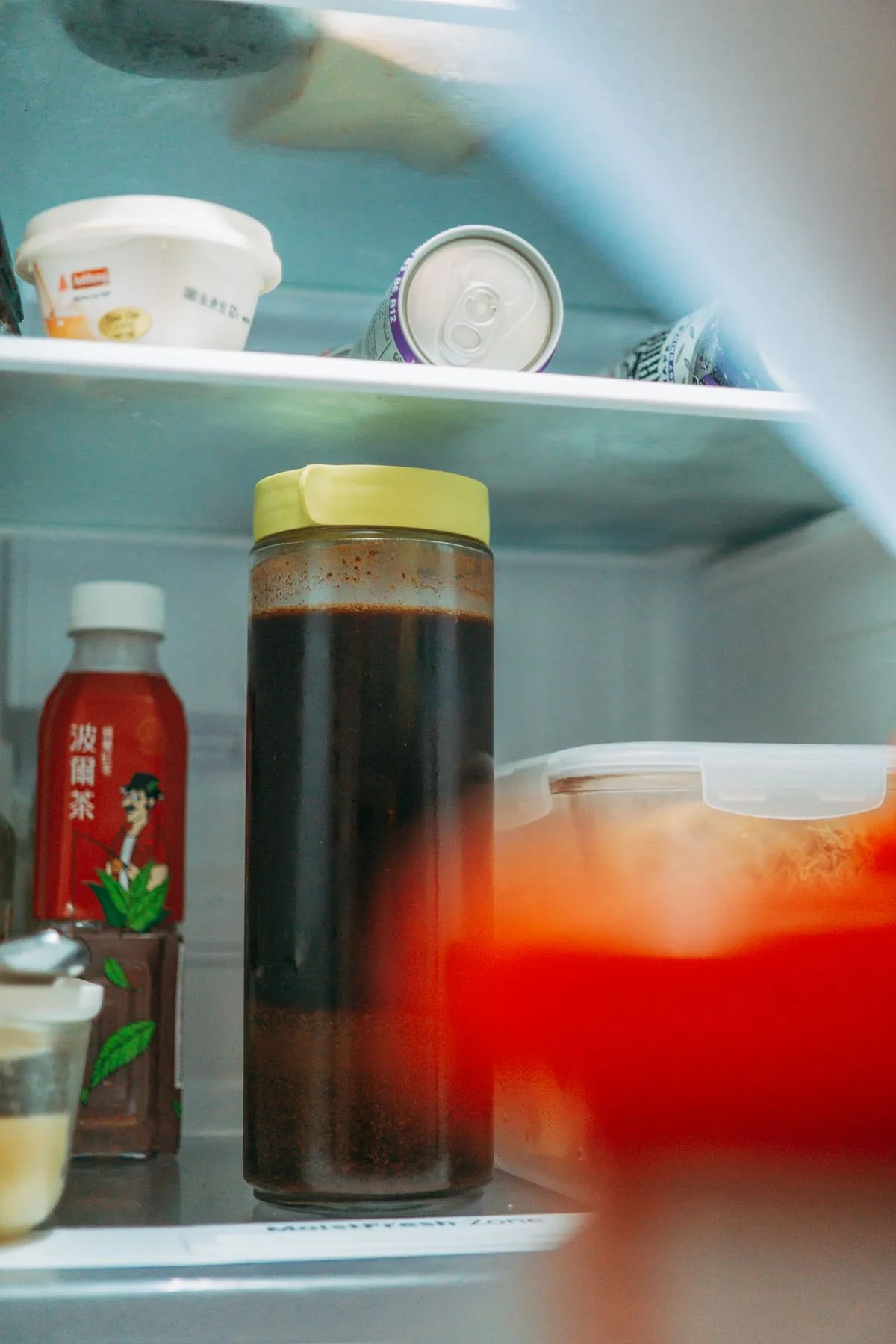 Care & Safety
Food is not protected indefinitely because it was once hot. Divide leftovers into shallow containers and refrigerate promptly instead of leaving a large pan outside until it feels completely cold.
Read the article ↗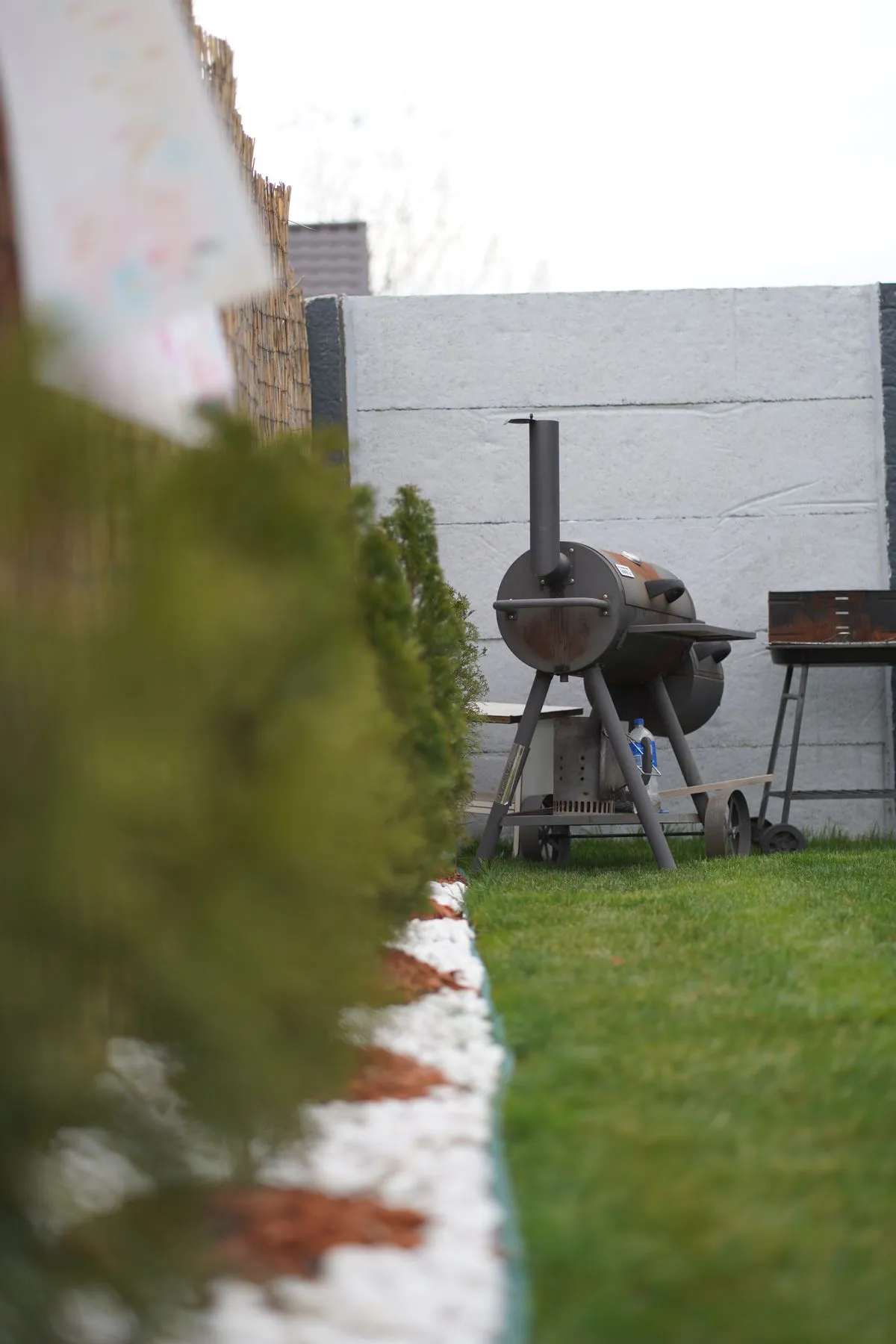 Care & Safety
A suitable grill location accounts for heat, ventilation, traffic and fuel. The most attractive empty corner of a patio may still be wrong if the lid opens beneath an awning or children must walk past it.
Read the article ↗No matching articles. Try a different search term.