Match the tool to the grate
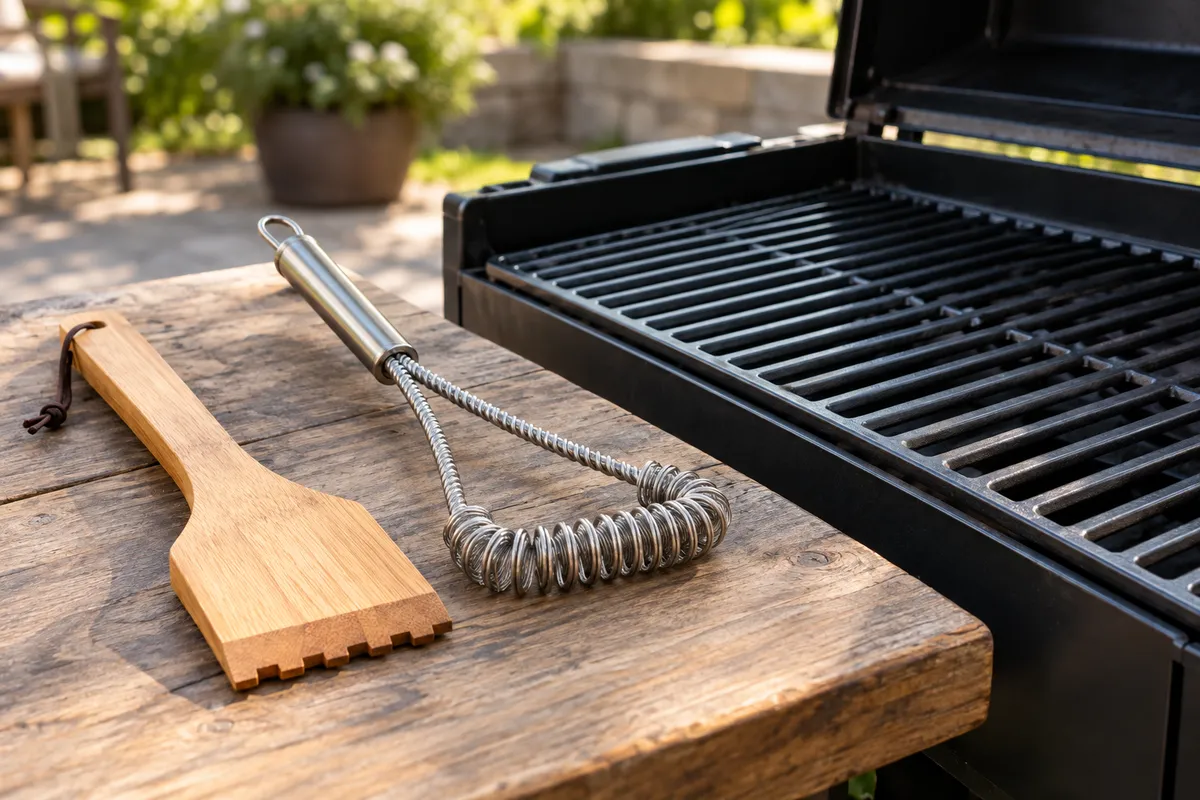
A flat scraper may work well on a griddle but fail to reach between round grate bars. Some wooden scrapers gradually conform to suitable grate shapes, yet they are not approved for every coating. Check the manufacturer's recommendations before dragging a hard edge across a delicate finish. Additional pressure is not a substitute for choosing a tool that fits the cooking surface.
Bristle-free coils, appropriate cleaning pads and shaped scrapers are possible alternatives. Bristle-free does not mean wear-free, however. Loose fibers, metal fragments or splintered wood must still be removed after cleaning. Replace a deteriorated tool rather than continuing to use it simply because it lacks individual wire bristles. Inspecting the cleaning equipment is part of maintaining the grill itself.
Use warmth without improvising
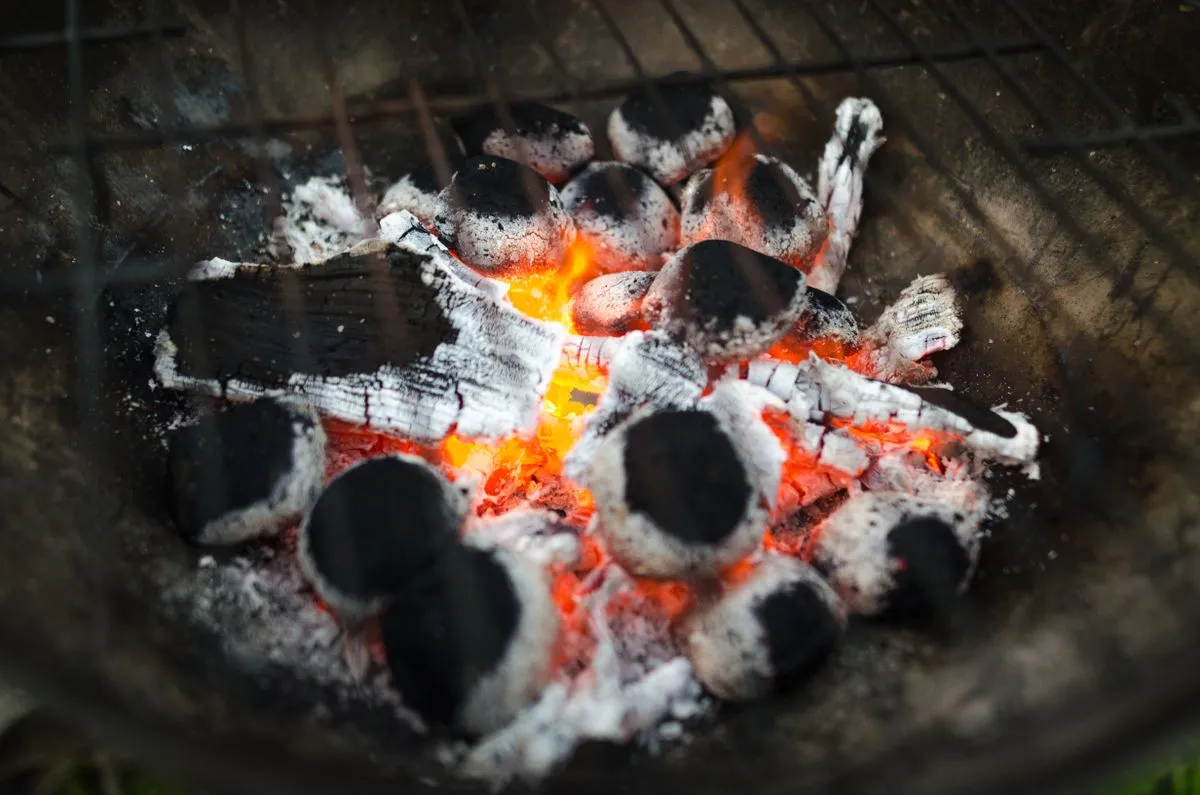
Some deposits release more easily from a warm grate. Work within the temperature limits of both the grate and the cleaning tool, with suitable hand protection. Do not spray cleaning chemicals onto hot surfaces unless the product explicitly permits that use. Steam, splashing and flammable ingredients can make an improvised shortcut more hazardous than allowing the surface to cool first.
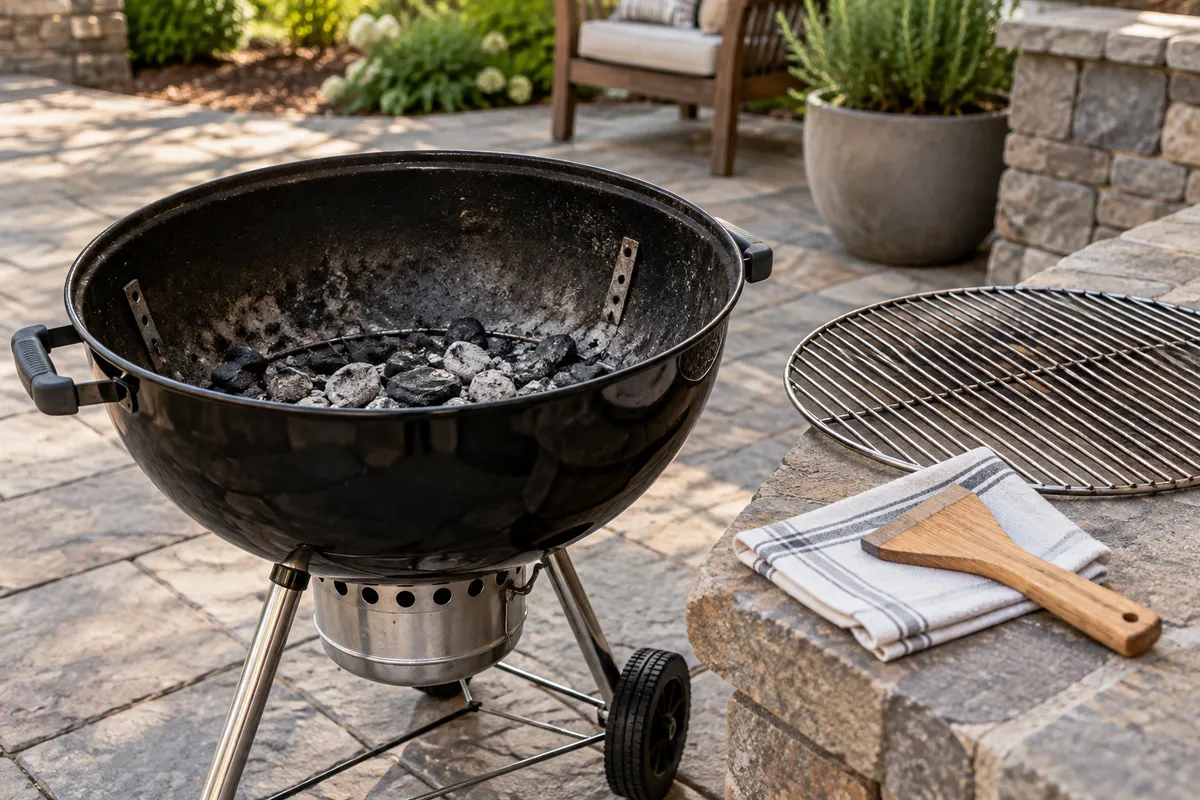
A removable grate that is designed for washing may be easier to clean away from the cooker. Respect material differences: enamel-coated grates, bare cast-iron plates and stainless steel require different care. Foods such as onion halves are sometimes used as cleaning aids, but they do not replace hygienic cleaning or an inspection for foreign objects. The next heating cycle should not be treated as a guarantee that every residue or contaminant will become harmless.
Inspect the surface before cooking
Look closely at the cleaned grate in good light, including gaps and edges. Remove loosened debris using a method approved for the equipment. No visible particles should remain when food is placed on the surface. A glance from directly above can miss pieces attached to the sides of the bars, especially on a grate with a deep or complicated profile.
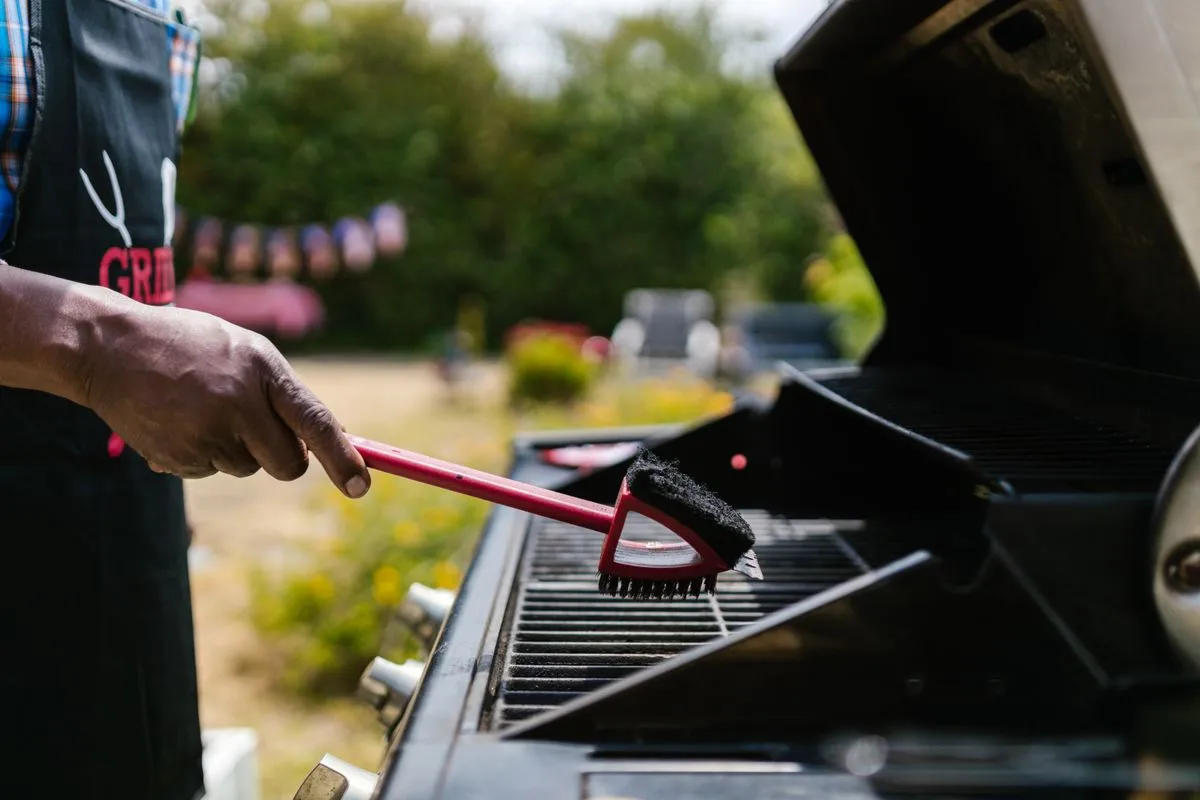
If you continue using a wire brush, inspect its condition before and after each cleaning and replace damaged examples promptly. Store all cleaning tools separately from clean cooking tongs. The useful buying question is not which accessory is most heavily promoted, but which one lets you clean your particular grate in a controlled way and check it afterward. One compatible tool and a careful inspection can be more useful than a collection of aggressive scrapers with unclear material suitability.
Use grilling equipment only in its intended location and follow the manufacturer’s instructions. Timing is not a substitute for checking doneness.