Prepare the contact surface
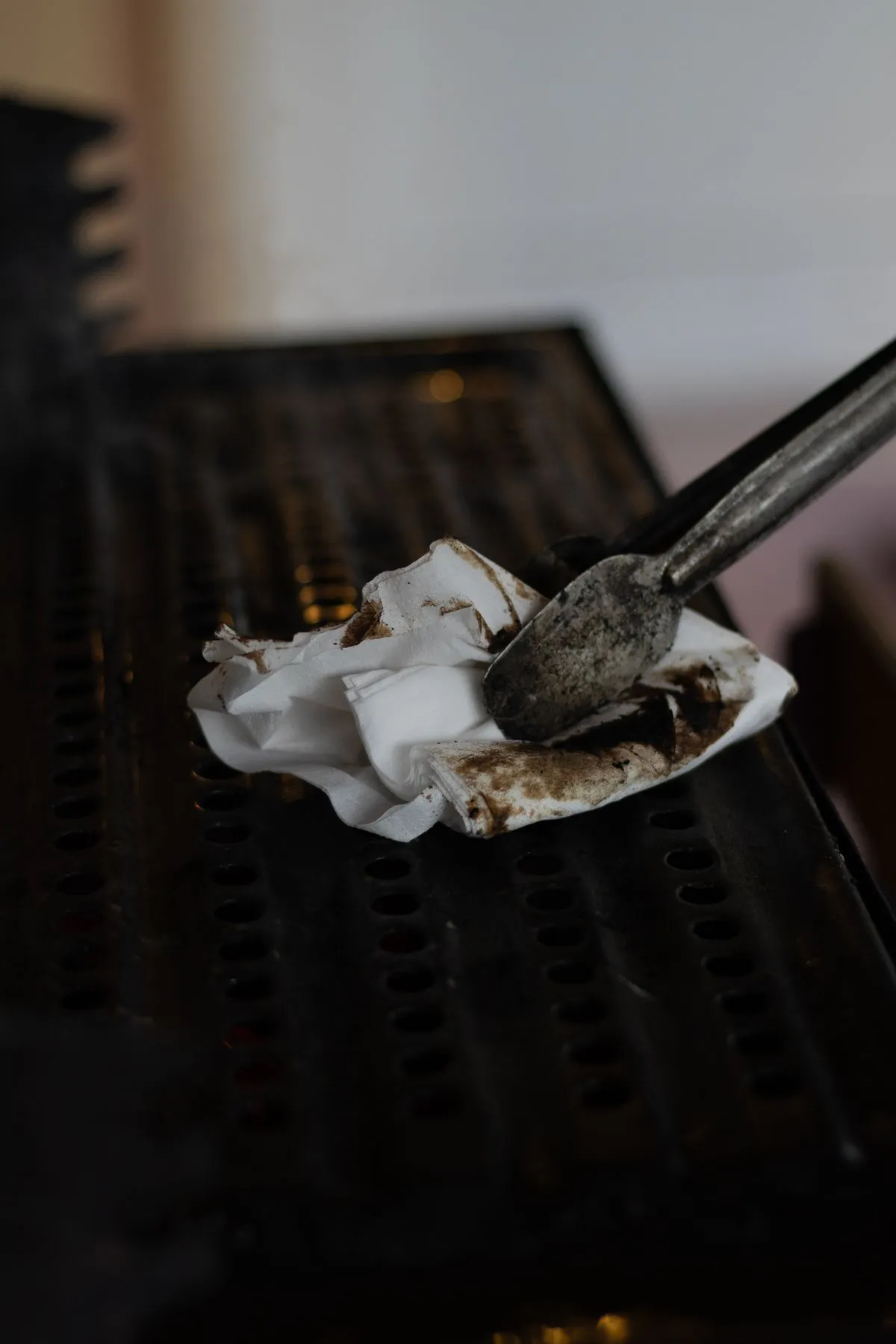
Remove old residue using a method appropriate for the grate, then inspect for loose bristles or other debris. Dirty patches create uneven contact. Preheat as instructed so food is not laid onto a cold, sticky layer. Coated grates need compatible cleaning tools; aggressive scraping that damages the coating creates a different problem rather than solving the original one.
Pat food dry and apply a small amount of suitable oil where needed. It should not drip. Never spray oil aerosols over a hot grill. Scrape off excess wet marinade before loading food, and consider adding delicate herbs or sweet coatings later. Otherwise those ingredients can become the burned, adhesive layer left behind on the grate.
Give the surface time to set
Allow a stronger outer layer to develop before turning. Gently test an edge with a flat turner or suitable tongs. If it resists, do not jerk the whole portion upward. Give it a little longer as long as it is not scorching. A delicate fish fillet needs broader support than a firm slice of zucchini, even when both are ready to release.
If the bottom is already too dark, waiting indefinitely is not a useful rule. Reduce its heat exposure and lift carefully with a wider utensil. A compatible griddle or clean fish basket may be a better choice for very fragile ingredients. Accessories change the contact and handling, but they cannot compensate for excessive heat or a coating that burns before the food cooks.
Diagnose the pattern afterward
Residue across the entire grate suggests checking cleaning and preheating. Damage confined to thin ends points more toward shape and support. A sugary coating often needs later application rather than more oil. Distinguishing these patterns prevents every difficult turn from receiving the same unhelpful correction at the next cookout.
Serve a slightly damaged piece neatly instead of overcooking it in pursuit of perfect grill marks. Internal safety temperature still matters more than an intact decorative stripe. Keep raw-food and serving utensils separate and have a clean landing plate ready. The crust is one part of a successful result, not a reason to neglect doneness or hygiene.
Use grilling equipment only in its intended location and follow the manufacturer’s instructions. Timing is not a substitute for checking doneness.