Mass influences performance
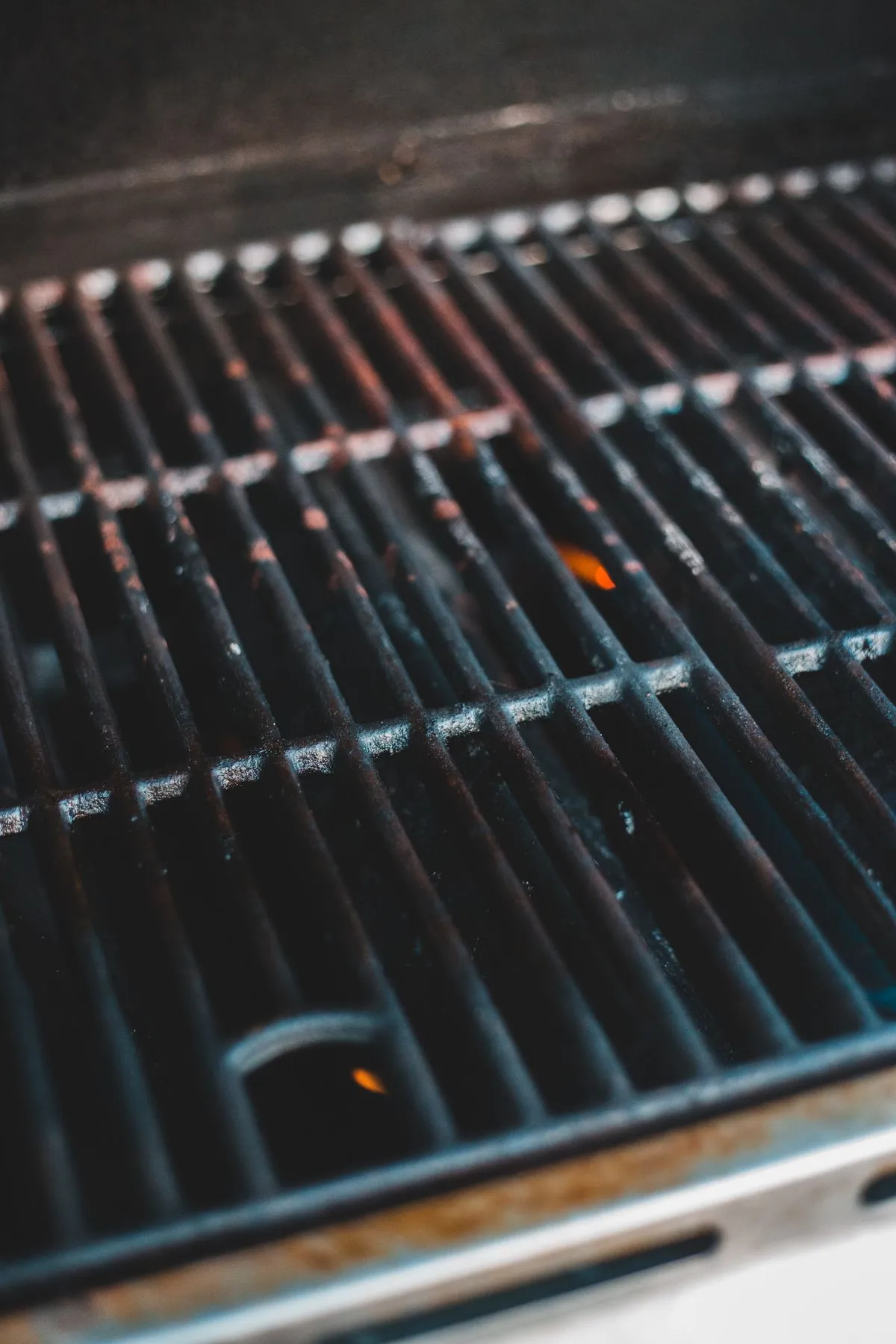
A heavy cast-iron grate stores considerable heat and can maintain strong contact points when cold food arrives. It also needs sufficient preheating and stays hot after shutdown. That weight matters when removing it for cleaning. On a cold unit, check whether individual sections are manageable and whether you have somewhere suitable to put them.
Stainless grates vary substantially in bar thickness and structure. A lightweight version responds differently from a heavy system of thick rods. Do not assess it solely by the material name on the label. Bar spacing also determines whether small food falls through and how easily your chosen turner can support delicate portions.
Distinguish coated from bare iron
Porcelain-enameled cast iron needs the care specified by its maker. Do not automatically season it like a bare cast-iron pan or attack it with aggressive tools. Damaged or flaking coating needs assessment, not concealment beneath more oil. Bare cast iron may require thorough drying and a suitable thin protective film as part of its normal care.
Stainless steel does not mean maintenance-free. Grease and food residue still need removal, compatible cleaners matter and contact with unsuitable metals can leave marks. Restoring a showroom shine after every meal is not essential. Clean, intact cooking contact points are more relevant than keeping the grate looking permanently unused.
Fit comes before a material upgrade
A replacement must suit the exact grill. Dimensions, support points, airflow and accessory frames all matter together. An approximately fitting heavy part may sit insecurely or change the intended setup. Confirm model compatibility before treating a different material as a simple drop-in improvement.
Choose around the work you are willing to do. Someone who dislikes lifting heavy pieces may value manageable sections, while someone seeking a substantial contact surface must allow for heating and cooling it. Either material can scorch food or brown it successfully. Heat, moisture and handling remain decisive; a new grate cannot replace an appropriate cooking method.
Use grilling equipment only in its intended location and follow the manufacturer’s instructions. Timing is not a substitute for checking doneness.