Pack cold food with sufficient cold sources
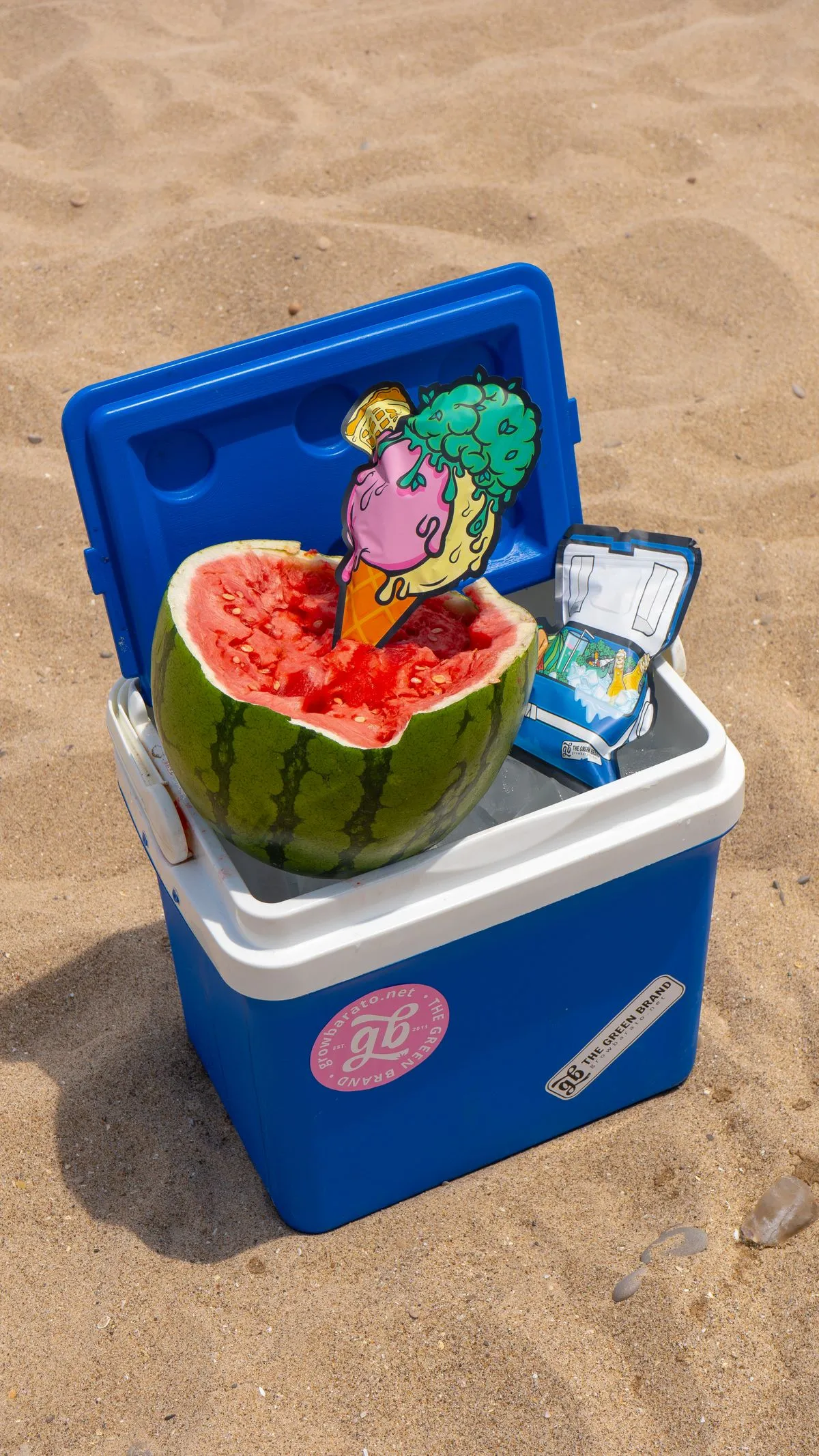
Refrigerate ingredients beforehand and freeze suitable ice packs fully. Load shortly before departure. The cooler itself can be prechilled where its instructions allow. Usable food capacity is smaller than the stated interior volume because ice or packs also need room. A box packed tightly with food but little cold reserve cannot perform as intended.
Use an appropriate thermometer to monitor conditions and maintain perishable food at 40°F or below, respecting stricter package requirements. Feeling the interior with a hand is not an accurate check. Duration depends on weather, loading, starting temperature and openings. A promotional ice-retention claim does not replace observing the actual conditions around your ingredients.
Keep raw packages contained
Seal raw meat and fish against leaks and separate them from salads and other ready-to-eat foods. With only one cooler, position raw supplies so their juices cannot reach those foods. An additional watertight container helps protect against a damaged package. Meltwater should not be treated as a clean bath for open food containers.
A separate drinks cooler can help because it will be opened frequently. Arrange food in the order needed and label similar containers. That reduces searching with the lid open and prevents digging through raw packages to locate a small sauce jar. Bring out only what is about to go onto the grill.
Manage the cooler at the destination
Keep it in shade where possible, away from the hot grill and out of an unnecessarily heated vehicle. Close the lid and monitor temperature. If the cold reserve is insufficient, replenish it in time or change the menu. Later browning meat heavily cannot make up for an unsafe period of warm storage.
Perishable foods should not remain unrefrigerated longer than two hours in total, shortened to one hour when ambient temperature exceeds 90°F. When time or temperature is uncertain, do not continue using the affected food. Appearance and smell cannot reliably establish safety. For a long outing, smaller quantities and sufficient ice are more manageable than an excessive supply.
Include the return trip
Leftovers still need safe cooling and clean shallow containers. Do not place a large warm batch on remaining raw supplies and expect a few thawed packs to chill everything quickly. Decide at the site what can safely travel home. Clean and dry the emptied cooler thoroughly afterward, including its gasket and drain, before returning it to storage.
Use grilling equipment only in its intended location and follow the manufacturer’s instructions. Timing is not a substitute for checking doneness.