Start with clearance and traffic
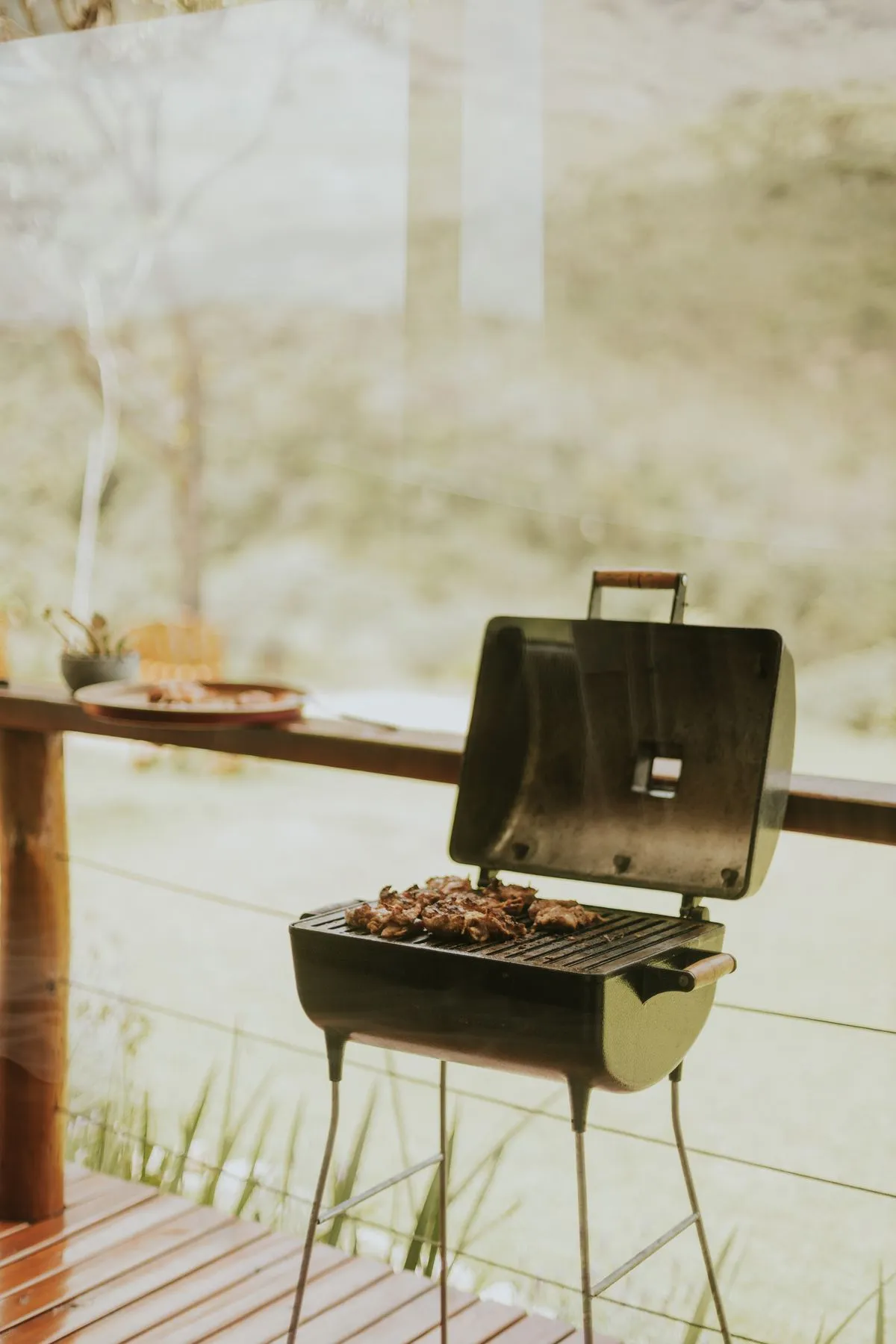
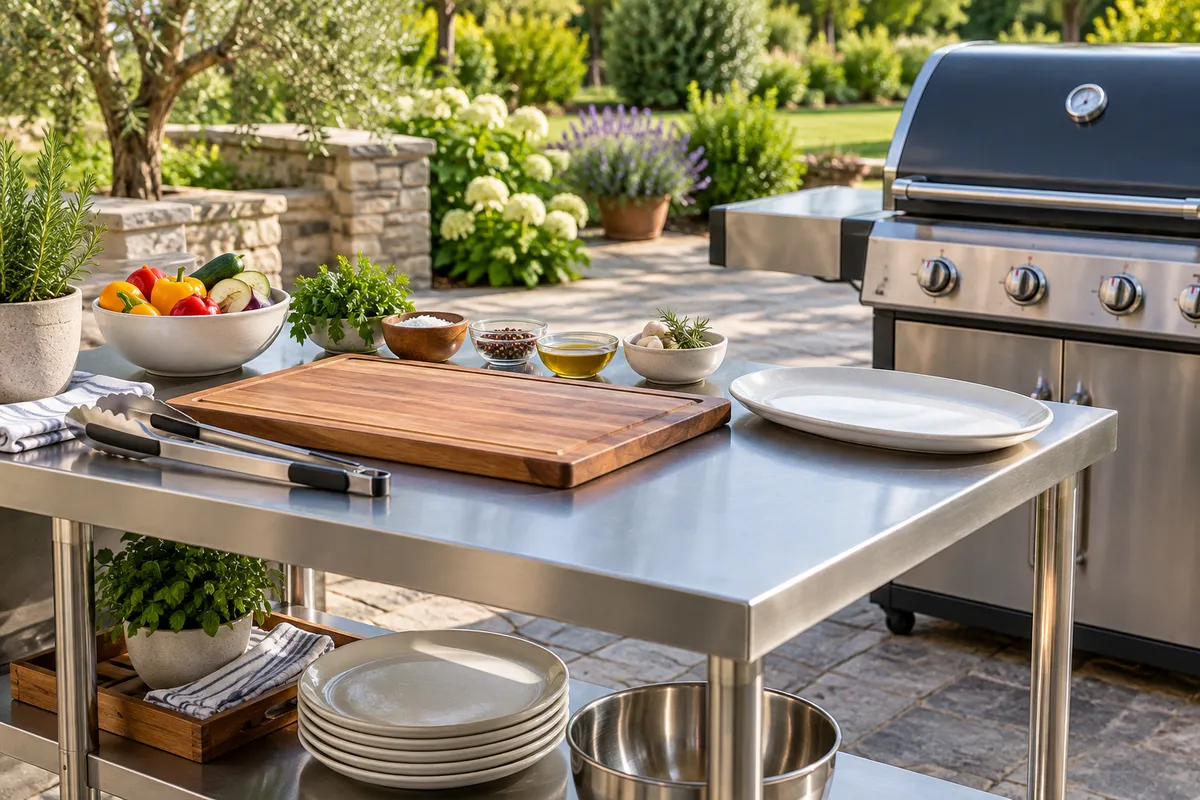
Place the table outside required distances from hot components and keep controls and safety-related access unobstructed. Guests should not walk between raw preparation, the cooker and the serving area. Doors, chairs and children's movement affect usable space. Assess the complete workflow instead of considering only the gap that accepts the tabletop.
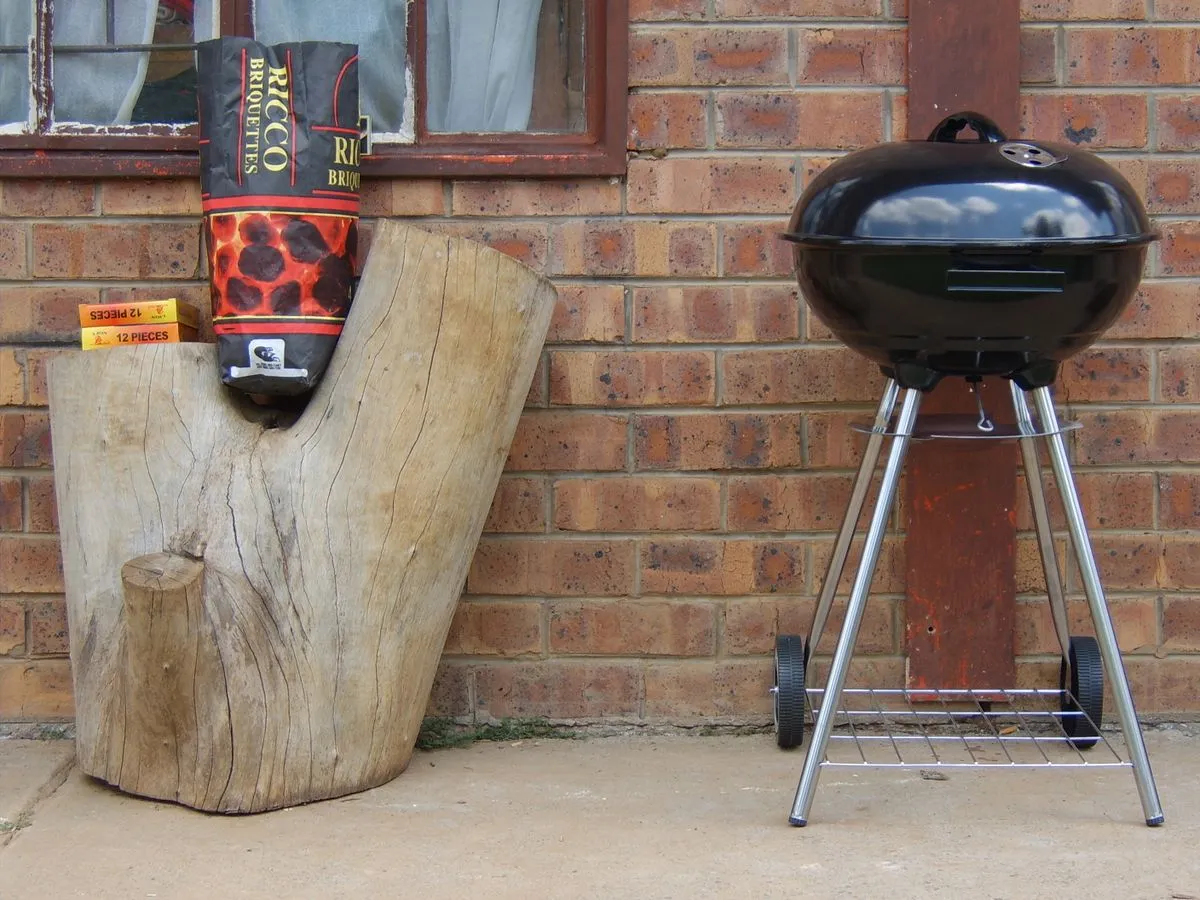
A surface that looks heat resistant is not automatically suitable for a hot chimney or cast-iron plate. Prepare a specifically appropriate separate landing area for those items. Plastic, coatings and wood can be damaged by concentrated heat. Keep the ordinary prep table for food and clean tools rather than using it for arbitrary hot accessories.
Test stability with realistic loads
In the cold setup, check whether sideways pressure makes the table tip or uneven ground makes it wobble. A heavy cooler or substantial roast loads it differently from an empty cutting board. Respect capacity limits and fully engage folding locks. Do not concentrate weight at one edge merely to preserve the middle for decorative bowls.
Choose a height that avoids repeated deep bending or awkward lifting. Lower shelves can hold clean equipment but should not create trip hazards. Paper towels and lightweight packaging need a position where wind cannot carry them toward the fire. Waste containers should be reachable without crossing the main working path.
Keep two clean workflows visible
Assign one area to raw supplies and a separate area to clean plates or finished food. Use suitable boards and do not wipe both zones with the same contaminated cloth. Include handwashing, soap and clean drying arrangements in the plan. If the outdoor area cannot support them, do more preparation in the kitchen.
Remove unnecessary packaging and used raw-food trays after each batch. A clear table makes the safe landing place for cooked food immediately obvious. Extra space should simplify decisions. If it quickly fills with drinks, fuel and bags, the solution is not necessarily a larger tabletop but a better assignment of where each object belongs.
Use grilling equipment only in its intended location and follow the manufacturer’s instructions. Timing is not a substitute for checking doneness.