Read the location along with the number
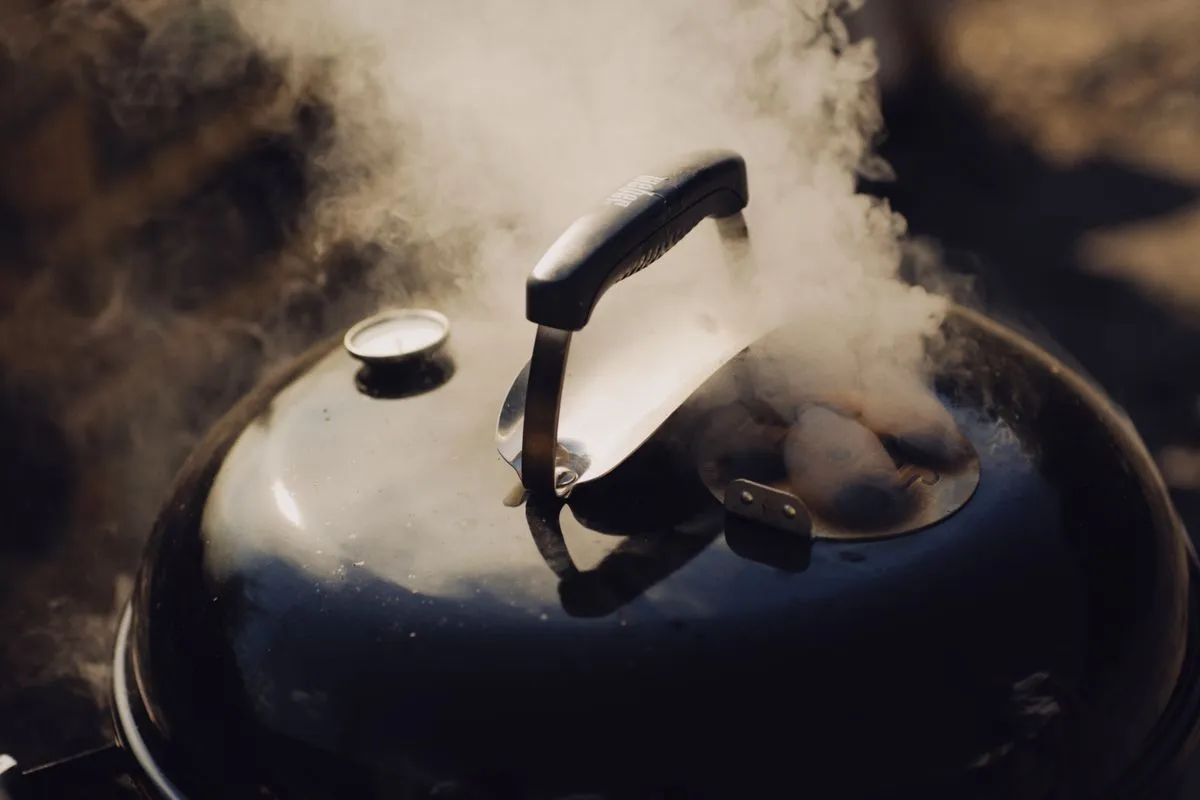
Position a suitable chamber probe to measure air near the food, not in direct contact with metal or the strongest radiant heat from a fuel area. A lid thermometer may be measuring a different part of the cooker. Two displays therefore do not need to match perfectly regardless of their positions, and a difference alone does not identify which instrument is wrong.
Notice whether a change follows opening the lid, adding fuel or loading cold food. Those events alter conditions and can explain temporary movement. Responding to one high reading with several simultaneous corrections makes it easy to spend the next part of the cook chasing the consequences of your own earlier adjustments rather than controlling the original situation.
Make small observable adjustments
In a charcoal system designed for it, fuel quantity and airflow influence heat output. Change only a little at a time and allow the cooker to respond. Too much fresh fuel can produce a rise, while too little air can encourage poor combustion. Arbitrarily sealing an exhaust is not a universal way to hold a preferred cooking temperature.
Gas, electric and pellet equipment should be operated through its intended controls and instructions. Do not bypass sensors or modify fuel delivery to force a steadier display. Recurring abnormal swings, fault messages or flame failures need appropriate service. Advice from a general discussion cannot replace assessment of the specific appliance and its safety-related components.
Protect the food if equipment fails
A brief fluctuation during a controlled cook does not automatically ruin the meal. Still check the food temperature and the condition of particularly thin sections. If the chamber remains too cool or heat fails, decide the next step using the time and temperature history. Restarting the cooker does not reverse a long period of uncertain lukewarm handling.
Where safe continuation is possible, an appropriate preheated oven may help rather than improvising a new fuel arrangement around faulty equipment. Do not leave raw or partly cooked food standing without a plan. If handling history is unsafe or unknown, discarding is safer than relying on smell. Record weather, fuel load, probe position and adjustments for future cooks. Calm, traceable control is more useful than trying to create the illusion that a thermometer must never move at all.
Use grilling equipment only in its intended location and follow the manufacturer’s instructions. Timing is not a substitute for checking doneness.